

The entertainment landscape has transformed dramatically as wireless technology eliminates the cable clutter that once dominated home theater installations. A wireless home theater system delivers cinematic audio experiences without running speaker wires through walls, under carpets, or around furniture. As we progress through 2026, innovations in transmission protocols, reduced latency, and improved reliability have made cable-free setups viable alternatives to traditional wired configurations. For homeowners seeking immersive sound without extensive renovation, understanding the current state of wireless technology proves essential to making informed decisions about their entertainment spaces.
Understanding Wireless Home Theater Technology
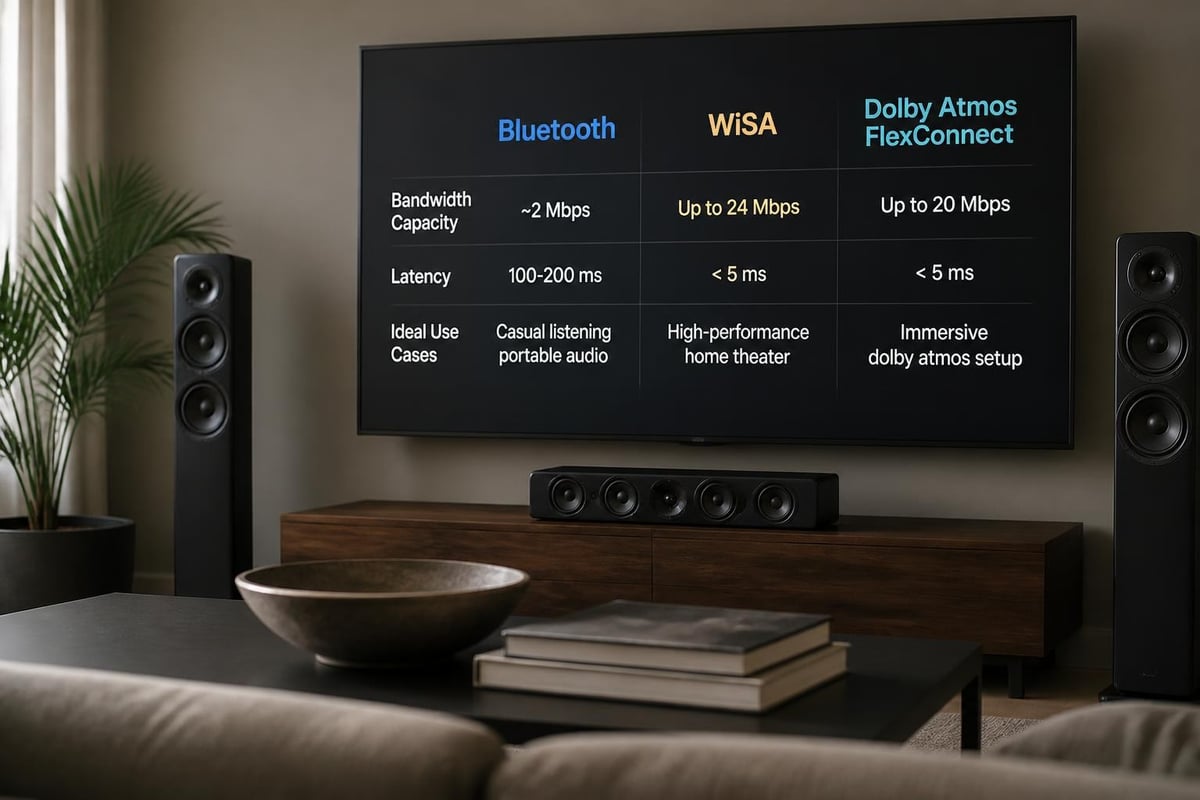
Modern wireless home theater systems rely on several distinct transmission technologies, each with unique characteristics affecting performance and suitability. The most common protocols include traditional Bluetooth, proprietary wireless systems from manufacturers, WiSA (Wireless Speaker and Audio Association), and the emerging Dolby Atmos FlexConnect standard.
Bluetooth remains the most recognizable wireless audio protocol, offering universal compatibility across devices. However, its limitations in bandwidth and potential latency issues make it less ideal for multi-channel surround sound applications where synchronization matters.
WiSA technology operates on the 5.8 GHz frequency band, specifically designed for home theater applications. This protocol transmits uncompressed audio with latency below one millisecond, addressing the synchronization challenges that plagued earlier wireless systems. Comprehensive wireless home theater guides explain how WiSA certification ensures interoperability between components from different manufacturers, creating ecosystem flexibility.
The introduction of Dolby Atmos FlexConnect represents a significant advancement in wireless home theater technology. TCL’s Z100 system, launched in August 2025, demonstrated how this protocol enables greater speaker placement flexibility while maintaining immersive three-dimensional sound characteristics.
Transmission Quality and Performance Metrics
When evaluating wireless home theater options, several technical specifications determine real-world performance:
| Specification | Wired Systems | WiSA Wireless | Bluetooth 5.3 | Dolby FlexConnect |
|---|---|---|---|---|
| Audio Latency | <1ms | <1ms | 40-200ms | <10ms |
| Maximum Channels | Unlimited | 8 channels | 2 channels | 7.1.4 configuration |
| Compression | None | None | SBC/AAC/aptX | Optimized |
| Range | N/A | 30 feet | 30 feet | 30 feet |
| Interference Resistance | Excellent | Good | Fair | Very Good |
Latency directly impacts whether audio synchronizes properly with on-screen action. Noticeable audio delay disrupts the viewing experience, particularly during dialogue-heavy content or action sequences. The sub-millisecond latency of WiSA technology matches wired performance, while Dolby FlexConnect maintains imperceptible delays through advanced processing.
Bandwidth capacity determines whether systems transmit full-resolution audio without compression artifacts. High-resolution formats like Dolby TrueHD and DTS-HD Master Audio require substantial data throughput that budget wireless solutions cannot accommodate.
Components of a Complete Wireless Home Theater
Building an effective wireless home theater requires coordinating multiple components that work together seamlessly. Understanding each element helps create balanced systems matching room characteristics and performance expectations.
Source Components and Transmitters
The foundation begins with source devices generating audio signals. Modern smart TVs, streaming devices, Blu-ray players, and gaming consoles output audio through HDMI, optical, or wireless connections. Wireless home theater systems typically connect to these sources through a central hub or transmitter unit.
Hub-based systems receive audio from source devices and distribute signals to individual speakers wirelessly. These hubs often include HDMI inputs, supporting multiple devices simultaneously and managing audio routing automatically based on active sources.
Transmitter modules convert wired audio signals into wireless transmissions. Some installations require separate transmitters for each audio channel, while integrated systems embed transmission capabilities within amplified speakers themselves.
Wireless Speakers and Positioning
Speaker selection dramatically affects both sound quality and installation flexibility. Wireless speakers fall into several categories:
- Powered wireless speakers contain built-in amplification and wireless receivers
- Passive wireless speakers require separate wireless receiver modules with amplification
- Soundbars with wireless satellites combine front-channel soundbars with wireless surround speakers
- Modular wireless systems allow mixing speaker types within a single ecosystem
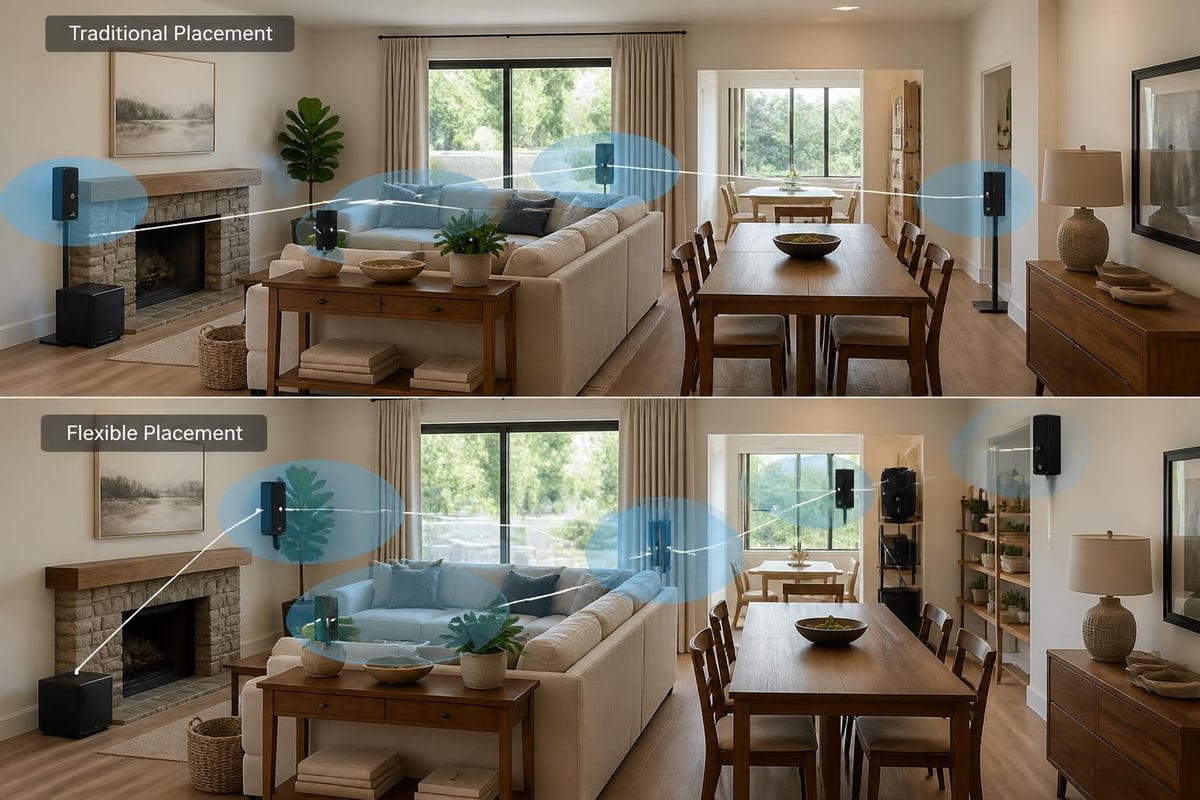
The flexibility of wireless configurations enables unconventional speaker placement that would prove impractical with traditional wiring. LG’s 2026 software update enabling Dolby Atmos FlexConnect on select OLED TVs exemplifies how modern systems adapt to room layouts rather than demanding fixed positions.
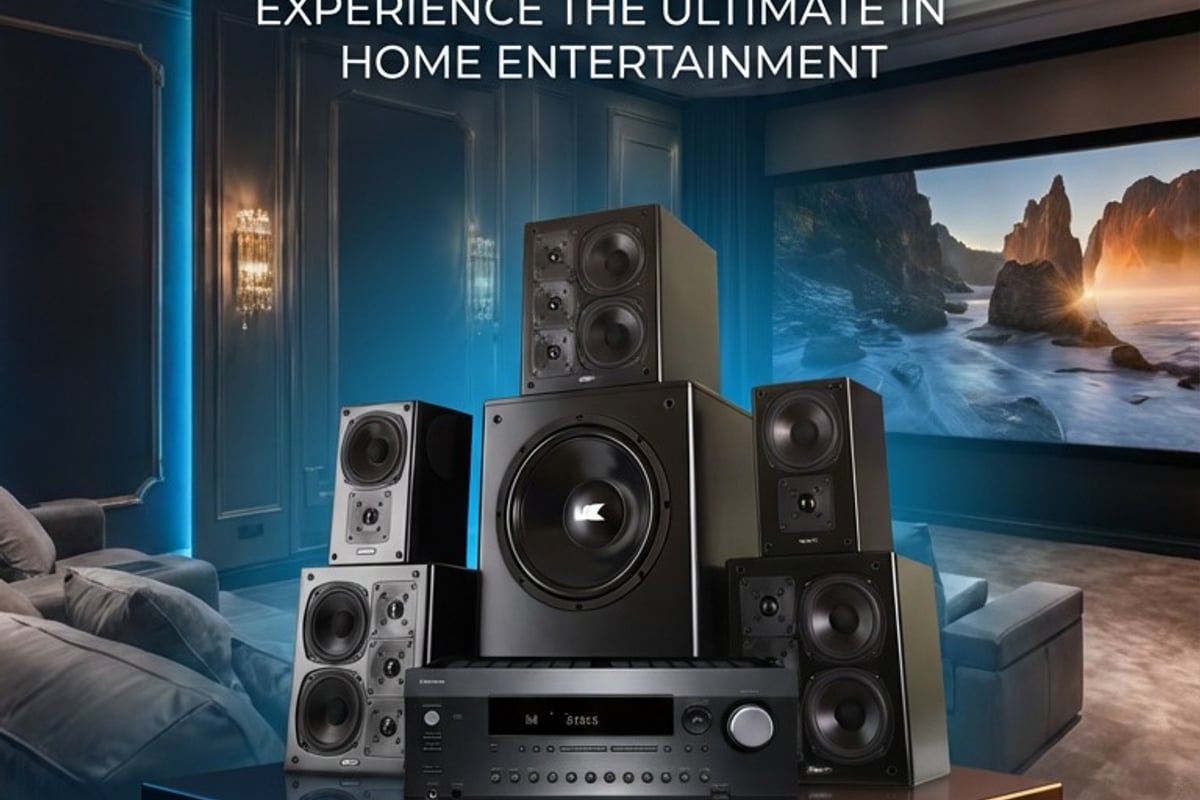
Premium manufacturers like M&K Audio produce cinema-specific speakers engineered for wireless home theater applications. These specialized drivers deliver the dynamic range and frequency response necessary for reproducing movie soundtracks with theatrical accuracy, even when operating wirelessly.
Subwoofers and Low-Frequency Management
Wireless subwoofers present unique technical considerations. Low-frequency effects require substantial power and driver excursion, making wireless transmission and internal amplification critical to performance.
Most wireless home theater systems include dedicated wireless connectivity for subwoofers, recognizing that bass modules typically sit away from main equipment racks. This flexibility proves particularly valuable since optimal subwoofer placement often differs from aesthetically convenient locations.
Dual subwoofer configurations smooth bass response throughout listening areas by addressing room modes and standing waves. Wireless connectivity simplifies dual-sub installations that would otherwise require running heavy-gauge cables to opposite room corners.
Installation Planning and Room Considerations
Successful wireless home theater implementation requires careful planning despite reduced cable requirements. Several factors influence system performance and user satisfaction.
Network Infrastructure Requirements
While wireless speakers eliminate runs to each speaker location, most systems still require electrical outlets for powered speakers. Strategic outlet placement during construction or renovation phases prevents visible extension cords compromising the clean aesthetic wireless systems promise.
Wi-Fi network considerations matter for systems integrating with home networks. Robust wireless infrastructure supporting high-bandwidth streaming ensures reliable operation, particularly when multiple family members use network resources simultaneously.
The upcoming Wi-Fi 8 standard promises significant improvements for wireless home theater applications. MediaTek’s Filogic 8000 chipset family, unveiled at CES 2026, targets enhanced reliability and reduced latency crucial for demanding audio applications.
Acoustic Treatment and Speaker Placement
Wireless technology solves cable routing challenges but cannot overcome poor acoustic environments. Room treatments addressing reflections, standing waves, and frequency buildup remain necessary regardless of connection method.
Proper speaker positioning follows the same principles as wired installations:
- Front soundstage establishes imaging and dialogue clarity through left, center, and right channels
- Surround speakers create ambient effects and directional cues at appropriate angles
- Height channels enable object-based audio formats like Dolby Atmos to position sounds three-dimensionally
- Subwoofer placement addresses room modes through position testing and potential dual-sub configurations
The freedom from cable routing actually encourages experimentation with speaker positions. Homeowners can test multiple configurations easily, moving speakers to identify optimal locations before finalizing placement.
Interference Management and Reliability
Wireless systems operate in crowded radio frequency environments alongside Wi-Fi networks, cordless phones, baby monitors, and numerous other devices. Understanding potential interference sources helps prevent performance issues.
2.4 GHz frequency band suffers from congestion in most residential environments. Systems operating at 5.8 GHz typically experience fewer conflicts, though concrete walls and metal structures still affect signal propagation.
Dual-band operation provides fallback options when primary frequencies encounter interference. Premium wireless home theater systems automatically switch channels or frequencies to maintain reliable connections without user intervention.
Comparing Wireless Approaches and Technologies
The wireless home theater market includes diverse approaches, each suited to different priorities and budgets. Understanding trade-offs helps match systems to specific requirements.
Proprietary Versus Open Standards
Manufacturer-specific wireless systems from brands like Samsung, Sony, and LG optimize performance for their ecosystems but limit mixing components from different brands. These closed systems often deliver excellent reliability since engineers control both transmitters and receivers.
Open standard systems using WiSA, Bluetooth, or Dolby FlexConnect enable component mixing, providing flexibility to upgrade individual elements over time. The trade-off involves potential compatibility challenges and varying implementation quality across manufacturers.
Soundbar-Based Systems Versus Discrete Components
Wireless soundbars with satellite speakers offer simplified setup and unified control interfaces. These systems suit users prioritizing convenience over ultimate performance, delivering substantial improvements over television speakers without complex configuration.
Discrete component systems using individual wireless speakers for each channel provide superior imaging, dynamic range, and upgrade flexibility. Custom home cinema installations typically favor discrete approaches, allowing selection of optimal speakers for each position.
| System Type | Setup Complexity | Expandability | Sound Quality Potential | Cost Range |
|---|---|---|---|---|
| Wireless Soundbar + Satellites | Low | Limited | Good | $500-$2,000 |
| All-in-One Wireless Systems | Medium | Moderate | Very Good | $1,500-$5,000 |
| Discrete Wireless Components | High | Excellent | Outstanding | $3,000-$15,000+ |
| Hybrid Wired/Wireless | Medium-High | Excellent | Outstanding | $2,000-$20,000+ |
Emerging Technologies and Future Directions
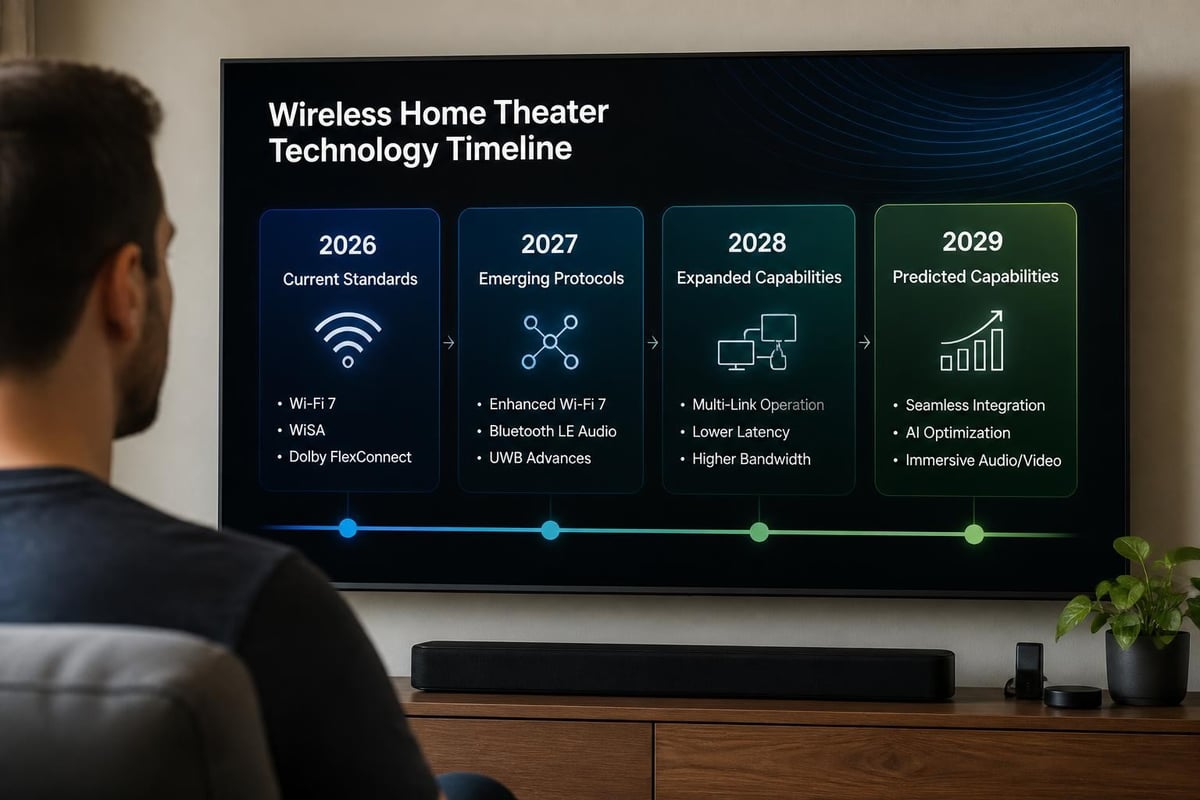
Industry experts predict that wireless home theater adoption will accelerate as technologies mature and costs decline. Several developments point toward mainstream acceptance of cable-free installations.
DECT NR+ technology, originally developed for professional audio applications, may find home theater applications. This wireless transmission standard offers improved performance characteristics beneficial for demanding audio environments.
The question of why Wi-Fi audio hasn’t dominated personal audio devices also applies to home theater contexts. Bandwidth, battery consumption, and protocol complexity create challenges, though solutions continue evolving.
Integration with Smart Home Ecosystems
Modern wireless home theater systems increasingly integrate with broader smart home platforms, enabling voice control, automation, and multi-room audio distribution.
Voice Assistant Compatibility
Amazon Alexa, Google Assistant, and Apple HomeKit support varies across wireless home theater products. Integration enables voice commands for volume adjustment, input switching, and playback control without remote controls.
Advanced integrations trigger home theater systems automatically when users launch streaming apps or insert discs into players. These automations enhance convenience while reducing configuration complexity for less technical family members.
Multi-Room Audio Expansion
Wireless home theater components often participate in whole-home audio systems, allowing music distribution throughout residences. Protocols like Apple AirPlay 2, Google Chromecast, and proprietary manufacturer systems enable synchronized playback across rooms.
This multi-room capability adds value beyond dedicated theater use, justifying higher investment in quality wireless speakers that serve dual purposes for both critical listening and casual background music.
Streaming Service Integration
Built-in streaming platform support distinguishes modern wireless home theater systems from traditional audio equipment. Direct access to Spotify, Tidal, Netflix, and other services eliminates external source device requirements for many listening sessions.
Network streaming quality depends on both home internet bandwidth and wireless system capabilities. Systems supporting high-resolution audio formats preserve quality from premium streaming tiers offering lossless compression.
Practical Limitations and Considerations
Despite significant advances, wireless home theater technology involves compromises that informed buyers should understand before committing to cable-free installations.
Power Requirements and Aesthetics
Every wireless speaker requires electrical power, meaning "wireless" describes signal transmission rather than complete cable elimination. Powered speakers need outlets within cord length, potentially creating visible power cables that undermine clean aesthetics.
In-wall wireless speakers solve aesthetic concerns by hiding both speakers and power connections, though installation requires construction access similar to traditional wired speakers. This approach suits new construction or renovation projects better than retrofit installations.
Performance Ceiling and Audiophile Applications
Critical listeners debate whether wireless home theater systems match wired equivalents in ultimate sound quality. Factors affecting this comparison include:
- Compression algorithms and their audibility
- Wireless receiver and amplifier quality within powered speakers
- Potential radio frequency interference affecting signal integrity
- Power supply limitations in compact wireless speaker enclosures
Premium installations often adopt hybrid approaches, using wireless connectivity for challenging speaker positions like rear surrounds while maintaining wired connections for critical front channels where installation permits.
Cost Analysis and Value Propositions
Wireless home theater systems typically cost more than equivalent wired configurations due to built-in amplification, wireless receivers, and advanced processing. The premium pays for installation convenience and flexibility rather than inherently superior components.
Total cost of ownership considerations include:
- Higher initial equipment costs for wireless capabilities
- Reduced installation labor for retrofit applications
- Potential renovation savings from eliminating in-wall wire runs
- Greater flexibility for future room reconfiguration
- Easier system expansion as needs evolve
Professional Installation Versus DIY Approaches
The relative simplicity of wireless home theater setup makes DIY installation feasible for technically comfortable homeowners. However, professional expertise delivers value beyond basic connection.
When Professional Installation Adds Value
Custom home cinema conversions benefit from professional design addressing acoustics, seating layouts, lighting control, and aesthetic integration. Specialists understand how wireless technology fits within comprehensive theater designs optimizing every element.
Professionals bring experience with:
- Proper speaker positioning and acoustic calibration
- Integration with lighting, shading, and control systems
- Troubleshooting wireless interference and connectivity issues
- Future-proofing installations for emerging technologies
- Aesthetic integration hiding equipment and managing cables
DIY-Friendly Wireless Options
All-in-one wireless systems from major manufacturers include setup wizards and automatic calibration features enabling successful DIY installation. These systems provide sufficient performance for general entertainment without requiring specialized knowledge.
Smartphone apps guide users through speaker placement, run automatic room correction, and troubleshoot common problems. The simplified setup process has democratized home theater quality previously requiring professional expertise.
Optimizing Wireless Home Theater Performance
After installation, several adjustments maximize system performance and reliability.
Calibration and Room Correction
Automated room correction technologies measure acoustic responses and apply equalization compensating for room characteristics. Systems from Audyssey, Dirac, and proprietary manufacturer algorithms improve frequency response and imaging.
Manual refinement supplements automated calibration, addressing specific preferences and compensating for measurement limitations. Adjustments include:
- Speaker level balancing ensuring proper channel blending
- Crossover frequency optimization between speakers and subwoofers
- Delay timing adjustments for non-ideal speaker positions
- Dynamic range compression for late-night viewing
Wireless Network Optimization
Dedicated wireless networks for home theater systems prevent interference from other household devices. Creating separate SSIDs on dual-band routers isolates theater components from general internet traffic.
Quality of Service (QoS) settings prioritize audio/video traffic over less time-sensitive data transfers. Network configuration ensures streaming and wireless speaker connections receive bandwidth necessary for uninterrupted operation.
Firmware Updates and Maintenance
Manufacturers regularly release firmware updates addressing bugs, improving compatibility, and adding features. Establishing update schedules prevents systems from falling behind current capabilities.
Connection testing identifies degraded performance before failures occur. Periodic verification ensures all speakers maintain strong wireless connections and audio remains synchronized across channels.
Wireless home theater technology in 2026 offers compelling alternatives to traditional wired installations, balancing performance with installation flexibility and aesthetic appeal. While some compromises exist compared to reference-grade wired systems, modern wireless protocols deliver imperceptible latency and full-bandwidth audio for most applications. Whether you're planning a simple soundbar upgrade or a comprehensive theater room conversion, ANR media brings expertise in both wireless and traditional installations, helping homeowners across South Africa design custom solutions matching their specific spaces, performance expectations, and budgets. Contact us to explore how wireless technology can transform your entertainment experience without compromising sound quality.