

Building a premium entertainment space requires careful consideration of display technology, audio quality, and seamless integration. LG home cinema solutions have evolved significantly in 2026, offering homeowners unprecedented picture quality through OLED innovation and sophisticated sound processing capabilities. Whether you're converting a dedicated room or upgrading your living space, understanding the components and features of modern LG systems helps you make informed decisions about your investment. From wireless connectivity to AI-enhanced processing, today's lg home cinema options deliver theatrical experiences that rival commercial venues.
Understanding LG's OLED Advantage in Home Cinema
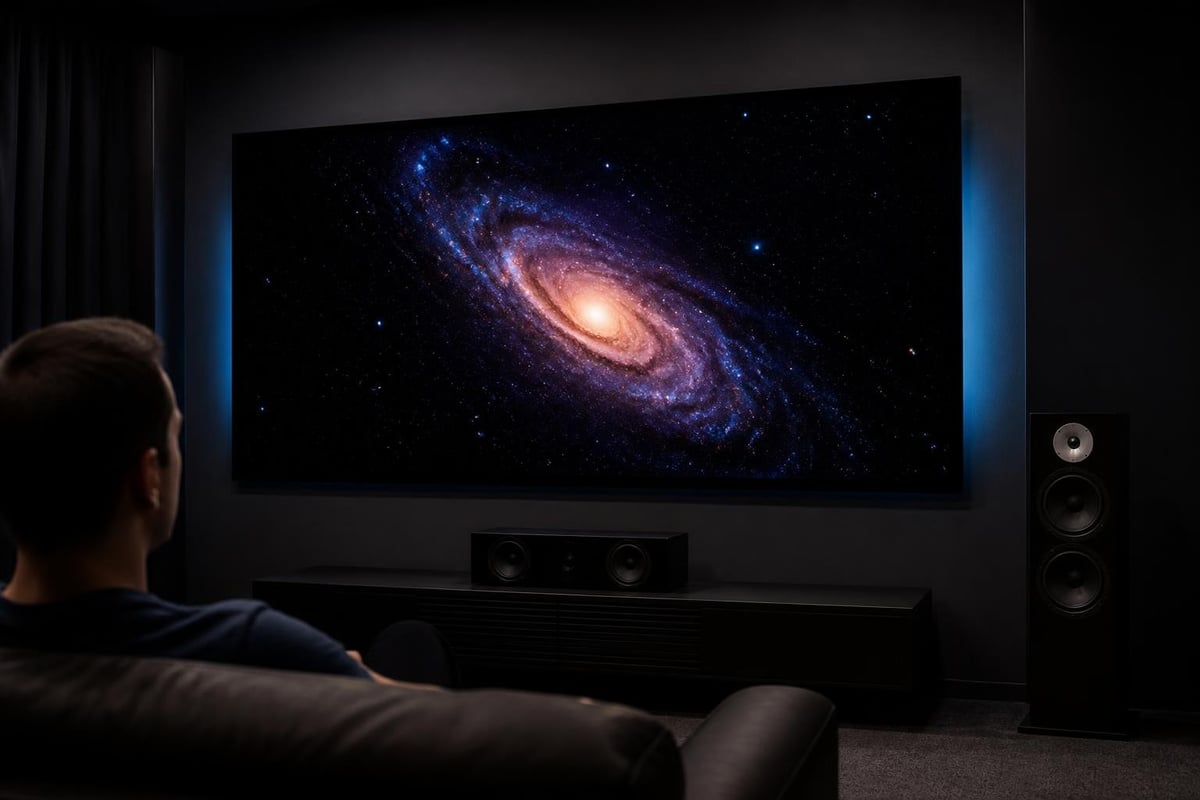
LG's self-lit OLED technology represents a fundamental shift in how displays produce images. Unlike traditional LED-backlit screens, each pixel generates its own light, enabling perfect blacks and infinite contrast ratios. This technology creates stunning visual depth that proves particularly effective for cinematic content.
The 2026 lineup introduces several refinements that address previous limitations. LG’s latest OLED TVs demonstrate significant improvements in brightness levels, color accuracy, and motion handling. These enhancements make LG home cinema displays more versatile across different viewing environments and content types.
Key Display Technologies
Modern lg home cinema displays incorporate multiple advanced features:
- Brightness Booster Max: Achieves higher peak brightness for HDR content
- Meta 2.0 Technology: Enhances light control and reduces reflections
- Alpha 11 AI Processor: Optimizes content in real-time based on viewing conditions
- OLED Evo Panels: Deliver 30% more brightness than standard OLED
These technologies work together to produce images with exceptional clarity, color accuracy, and dynamic range. The combination proves particularly effective for HDR content, where subtle gradations between light and shadow create immersive viewing experiences.
Screen Sizes and Room Considerations
Selecting the appropriate screen size for your lg home cinema depends on viewing distance, room dimensions, and seating arrangements. Industry standards suggest the screen width should occupy approximately 30-40 degrees of your field of vision for optimal immersion.
| Screen Size | Minimum Distance | Optimal Distance | Room Size |
|---|---|---|---|
| 55 inches | 4.5 feet | 6-7 feet | Small/Medium |
| 65 inches | 5.5 feet | 7-9 feet | Medium |
| 77 inches | 6.5 feet | 9-11 feet | Medium/Large |
| 83 inches | 7 feet | 10-12 feet | Large |
Ceiling height, ambient light control, and acoustic treatment also influence the overall experience. Rooms with higher ceilings accommodate larger screens without overwhelming the space, while dedicated theater rooms benefit from light-blocking window treatments and sound-absorbing materials.
Installation and Positioning
Wall mounting your lg home cinema display requires careful planning. The center of the screen should sit at eye level when seated, typically 42-48 inches from the floor. Professional installation ensures proper weight distribution, cable management, and optimal viewing angles.
Consider these positioning factors:
- Viewing angle: Maintain seats within 30 degrees of center for best color accuracy
- Reflection control: Position away from windows or use blackout solutions
- Ventilation: Allow adequate airflow around the display
- Accessibility: Plan for service access and future upgrades
Audio Integration for Complete LG Home Cinema Systems
Visual quality represents only half of the home cinema equation. Audio performance determines whether your lg home cinema delivers truly immersive experiences. LG offers both integrated and external audio solutions designed to complement their display technology.
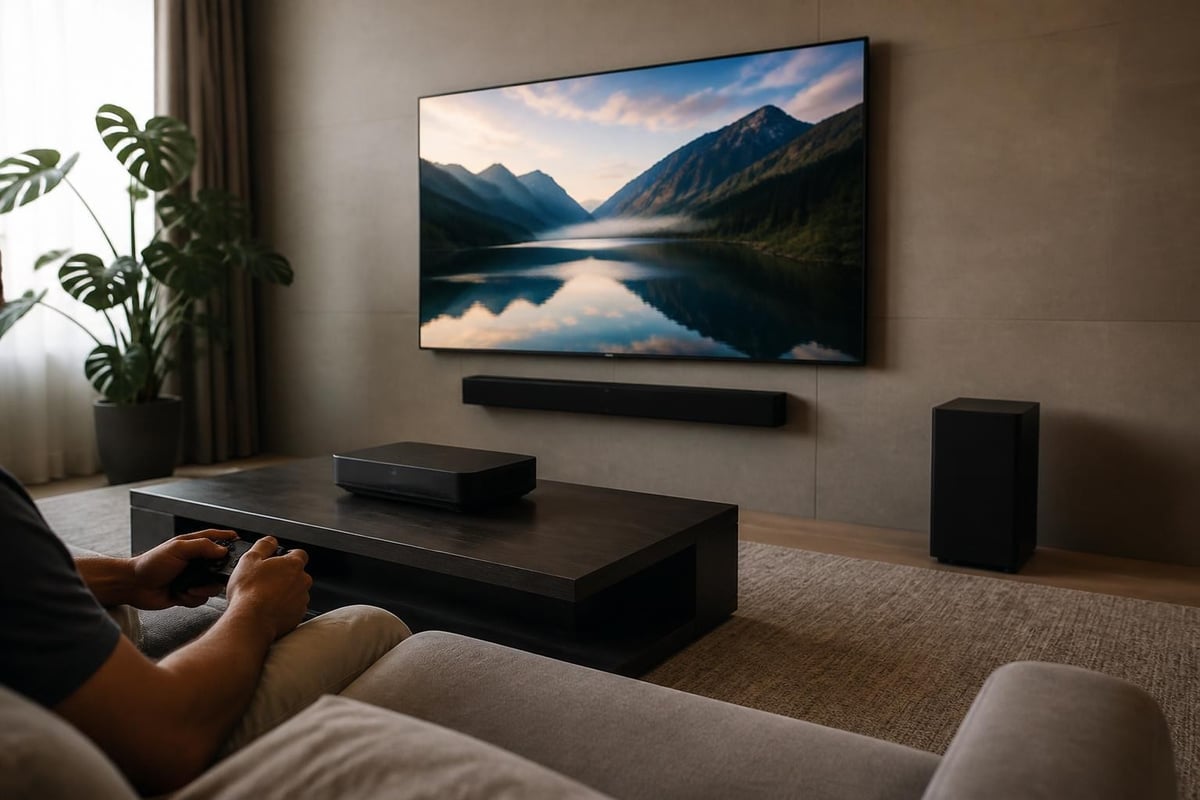
Soundbars provide convenient audio upgrades without extensive wiring. LG's premium soundbar models feature Dolby Atmos support, wireless subwoofers, and AI Sound Pro technology that analyzes content to optimize audio output. These systems deliver impressive surround effects through psychoacoustic processing and upward-firing drivers.
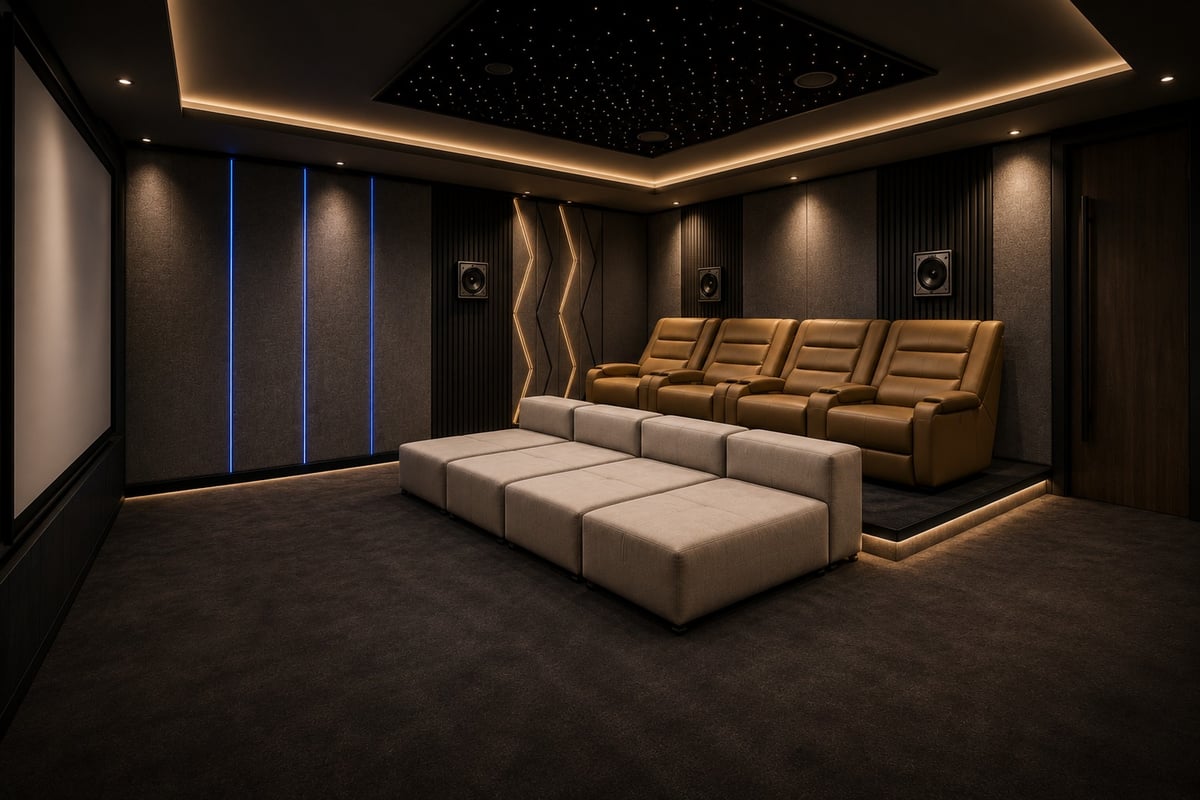
However, dedicated speaker systems offer superior performance for serious enthusiasts. When designing a home cinema room conversion, incorporating discrete speakers throughout the space creates authentic surround sound with precise imaging and dynamic range that soundbars cannot match. Professional integration ensures speakers complement room acoustics while maintaining aesthetic appeal.
Surround Sound Configuration
Standard home theater audio follows these channel configurations:
- 5.1 Systems: Five speakers plus one subwoofer for traditional surround
- 7.1 Systems: Adds rear surround speakers for enhanced immersion
- 5.1.2 Atmos: Incorporates height channels for overhead effects
- 7.1.4 Atmos: Premium configuration with comprehensive spatial audio
The lg home cinema ecosystem supports all major audio formats, including Dolby Atmos, DTS:X, and IMAX Enhanced. Proper calibration maximizes these technologies, adjusting speaker levels, distances, and crossover frequencies to suit your specific room characteristics.
Smart Features and Connectivity
Modern lg home cinema systems function as entertainment hubs that aggregate content from multiple sources. The webOS platform provides intuitive navigation across streaming services, gaming consoles, and media servers. Voice control through Google Assistant and Amazon Alexa enables hands-free operation.
Gaming capabilities have expanded significantly in 2026 models. HDMI 2.1 ports support 4K at 120Hz with variable refresh rate (VRR) and auto low latency mode (ALLM). These features eliminate screen tearing and reduce input lag for responsive gameplay on PlayStation 5, Xbox Series X, and high-end gaming PCs.
Streaming and Content Options
The partnership between LG and major content providers continues expanding. LG’s Creator Original mode works with Prime Video to deliver filmmaker-approved picture settings, ensuring content appears as directors intended. This collaboration demonstrates LG's commitment to authentic content reproduction.
| Streaming Service | 4K Support | HDR Format | Atmos Audio |
|---|---|---|---|
| Netflix | Yes | Dolby Vision | Yes |
| Prime Video | Yes | HDR10+ | Yes |
| Disney+ | Yes | Dolby Vision | Yes |
| Apple TV+ | Yes | Dolby Vision | Yes |
Network connectivity options include both wired Ethernet and Wi-Fi 6E for stable, high-bandwidth streaming. Built-in content platforms eliminate the need for external streaming devices in many cases, reducing clutter and simplifying operation.
Choosing the Right LG Model for Your Needs
LG's 2026 lineup spans multiple price points and feature sets. Selecting the best LG TV requires understanding the distinctions between model series and how they align with your priorities.
The G6 Gallery series represents LG's flagship offering. The OLED65G6 combines zero-gap wall mounting with premium processing and exceptional brightness. This series suits dedicated theater rooms where picture quality takes absolute priority.
Model Comparison
C6 Series: Balances performance and value with excellent picture quality, comprehensive gaming features, and solid smart capabilities. This series works well for mixed-use spaces serving both casual viewing and serious cinema sessions.
B6 Series: Entry-level OLED that maintains core self-lit pixel advantages while simplifying processing and reducing brightness capabilities. Budget-conscious buyers appreciate the authentic OLED experience at accessible prices.
Z6 8K Series: Represents the ultimate lg home cinema display for those requiring maximum resolution and future-proofing. The 8K panel delivers unprecedented detail for large screen sizes, though native 8K content remains limited.
Consider these factors when selecting your model:
- Room lighting conditions and brightness requirements
- Primary content types (movies, sports, gaming, mixed)
- Screen size relative to viewing distance
- Integration with existing or planned audio systems
- Budget allocation for display versus other system components
Calibration and Picture Settings
Achieving optimal performance from your lg home cinema requires proper calibration. Out-of-box settings prioritize showroom appeal over accuracy, often featuring exaggerated colors and aggressive processing that compromises filmmaker intent.
Professional calibration services use specialized equipment to measure and adjust color accuracy, gamma curves, and white balance. This process ensures your display reproduces content according to industry standards like Rec.709 for HD content and Rec.2020 for HDR material.
DIY Calibration Approaches
Home users can achieve significant improvements without professional services:
- Picture Mode Selection: Choose Cinema or Filmmaker Mode as starting points
- OLED Light: Adjust based on room lighting (30-50 for dark rooms, 70-90 for bright spaces)
- Contrast and Brightness: Set using test patterns to avoid clipping
- Color Temperature: Select Warm2 for accurate color reproduction
- Motion Processing: Disable TruMotion for film content to preserve cinematic cadence
The lg home cinema platform includes helpful tools like the Pixel Refresher function that maintains panel uniformity over time. Running this maintenance cycle periodically prevents image retention and extends display lifespan.
Multiroom Integration and Whole-Home Systems
Advanced lg home cinema installations extend beyond single-room setups. Multiroom audio and video distribution allows content sharing across living spaces, bedrooms, and outdoor entertainment areas. LG's ecosystem integrates with professional distribution systems that maintain quality while adding convenience.
Wireless technologies like WiSA (Wireless Speaker and Audio) enable cable-free speaker placement without compression artifacts. This standard supports up to 24-bit/96kHz audio across eight channels, delivering audiophile-quality sound without installation complexity.
Control systems unify operation across multiple rooms and devices. Programmable remotes, wall-mounted touchpanels, and smartphone apps provide centralized management of displays, audio zones, lighting, and climate control. Integration creates seamless experiences where technology disappears into the background.
System Expansion Considerations
When planning multiroom capabilities:
- Network infrastructure: Ensure adequate bandwidth for multiple 4K streams
- Source equipment: Select components that support simultaneous outputs
- User interface: Implement consistent control across all zones
- Future scalability: Design systems that accommodate additional rooms or features
Maintenance and Longevity
LG OLED panels demonstrate excellent reliability when properly maintained. Understanding care requirements protects your investment and ensures consistent performance throughout the display's lifespan.
Screen burn-in, while rare with modern panels, remains a consideration for displays showing static content. LG implements multiple protective features including pixel shifting, logo luminance adjustment, and automatic screen dimming during extended static scenes. These technologies minimize risk while maintaining picture quality.
| Maintenance Task | Frequency | Purpose |
|---|---|---|
| Pixel Refresher | Every 2000 hours | Panel uniformity |
| Firmware Updates | As released | Features and fixes |
| Screen Cleaning | Monthly | Dust removal |
| Ventilation Check | Quarterly | Prevent overheating |
Regular firmware updates introduce new features, improve compatibility, and address reported issues. Enabling automatic updates ensures your lg home cinema system benefits from LG's ongoing development efforts.
Future-Proofing Your Investment
Technology evolution continues accelerating, making future-proof planning essential for long-term satisfaction. While no system remains current indefinitely, thoughtful design decisions extend relevance and delay obsolescence.
HDMI 2.1 connectivity represents the current standard, supporting bandwidth requirements for 8K/60fps and 4K/120fps content. These specifications exceed current mainstream content availability, providing headroom for emerging formats and gaming capabilities.
Modular system design allows component upgrades without complete replacement. Separating display, audio, and source equipment enables targeted improvements as technologies advance. A premium lg home cinema display from 2026 will deliver excellent performance for years, while external processors and speakers can refresh more frequently.
The emergence of AI-enhanced processing demonstrates how software updates can improve existing hardware. LG's alpha processors receive optimization through firmware, adding features and refining performance post-purchase. This ongoing development extends value beyond the initial transaction.
LG home cinema systems in 2026 offer unprecedented combinations of visual excellence, audio capability, and smart integration that transform entertainment spaces. Understanding display technology, audio options, and proper installation ensures your investment delivers maximum value and enjoyment. Whether you're planning a dedicated theater or enhancing a multipurpose room, ANR media specializes in custom home cinema installations that optimize every component for your specific space and preferences, from initial design through final calibration and beyond.