

Transforming a residential space into a cinema-quality entertainment environment requires expertise that goes far beyond mounting a television and connecting speakers. A professional home theater company brings specialized knowledge in acoustics, video calibration, system integration, and architectural design to create immersive experiences that rival commercial theaters. Whether you're considering a dedicated cinema room or a multi-room audio-video solution, understanding what distinguishes exceptional providers from basic installers helps ensure your investment delivers lasting value and performance.
What Defines a Professional Home Theater Company
The distinction between a general electronics retailer and a specialized home theater company lies in technical expertise, design capabilities, and long-term support infrastructure. Professional installers maintain certifications from manufacturers and industry organizations, demonstrating proficiency in complex system integration and calibration techniques.
Technical Expertise and Certification
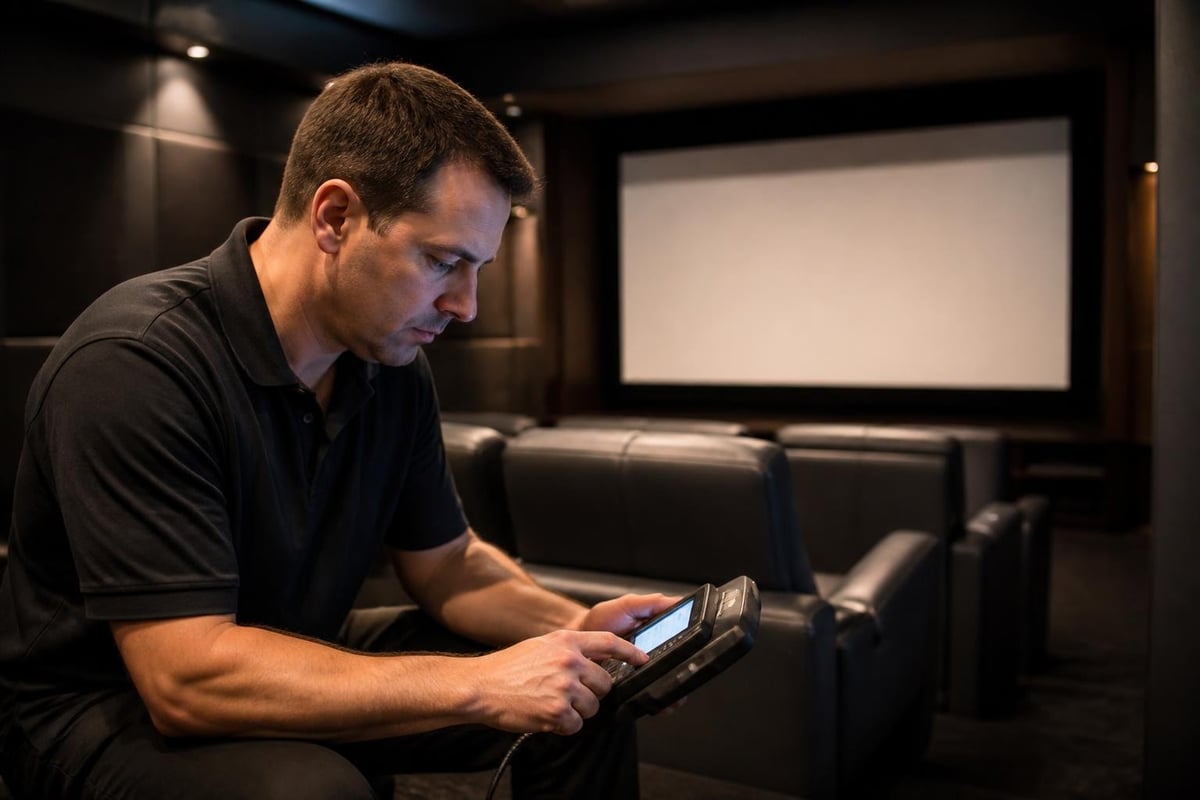
Certified technicians understand the nuances of audio-video signal processing, room acoustics, and lighting control systems. They possess hands-on experience with professional-grade equipment and stay current with emerging technologies reshaping the professional AV industry. This knowledge enables them to troubleshoot complex issues and optimize system performance beyond standard installation procedures.
Industry certifications validate expertise in specific areas:
- CEDIA (Custom Electronic Design & Installation Association) certification for residential integration
- ISF (Imaging Science Foundation) credentials for video calibration
- THX certification for cinema-standard installations
- Control4, Crestron, or Savant programming qualifications
- Manufacturer-specific training on premium audio and video components
Custom Design Capabilities
Beyond technical skills, leading companies employ designers who understand how entertainment spaces integrate with architectural elements and lifestyle requirements. They assess room dimensions, seating arrangements, ambient light conditions, and aesthetic preferences to create cohesive designs that balance performance with visual appeal.
The design process typically encompasses room layout optimization, equipment selection based on specific performance criteria, acoustic treatment planning, and lighting design for both functionality and ambiance. A comprehensive approach ensures every element contributes to the overall experience.
Services Offered by Home Theater Companies
Professional providers deliver a spectrum of services extending from initial consultation through ongoing system maintenance. Understanding these offerings helps customers evaluate whether a company can meet their specific requirements.
Consultation and System Design
Initial consultations establish project scope, budget parameters, and performance expectations. Experienced designers ask detailed questions about viewing habits, content preferences, room usage patterns, and future expansion possibilities. This information informs equipment recommendations and system architecture.
Design deliverables typically include:
- Detailed equipment specifications with performance characteristics
- Scaled room layouts showing seating positions and equipment placement
- Wiring diagrams for clean, professional installation
- Acoustic treatment plans addressing reflection points and bass response
- Budget breakdowns separating equipment, installation, and customization costs
Installation and Calibration Services
Professional installation ensures equipment operates at peak performance while maintaining aesthetic standards. Installers conceal wiring within walls and ceilings, mount displays at optimal viewing heights and angles, and position speakers according to manufacturer specifications and acoustic principles.
Post-installation calibration distinguishes professional work from DIY approaches. Technicians use measurement equipment to analyze frequency response, set proper crossover points, time-align speakers, and calibrate video displays to industry standards. This process eliminates common installation mistakes that compromise system performance.
| Service Category | Professional Approach | Standard Installation |
|---|---|---|
| Speaker Placement | Acoustic measurements, boundary analysis | Manufacturer guidelines only |
| Video Calibration | Professional meters, CMS adjustments | Factory presets |
| Acoustic Treatment | Custom panels, bass traps, diffusion | Generic foam or none |
| Wire Management | In-wall routing, conduit systems | Exposed cables, cable covers |
| System Integration | Universal control, automation | Multiple remotes |
Choosing Equipment for Your Home Theater
A knowledgeable home theater company guides equipment selection based on room characteristics, budget constraints, and performance priorities rather than pushing specific brands or maximizing profit margins.
Display Technology Considerations
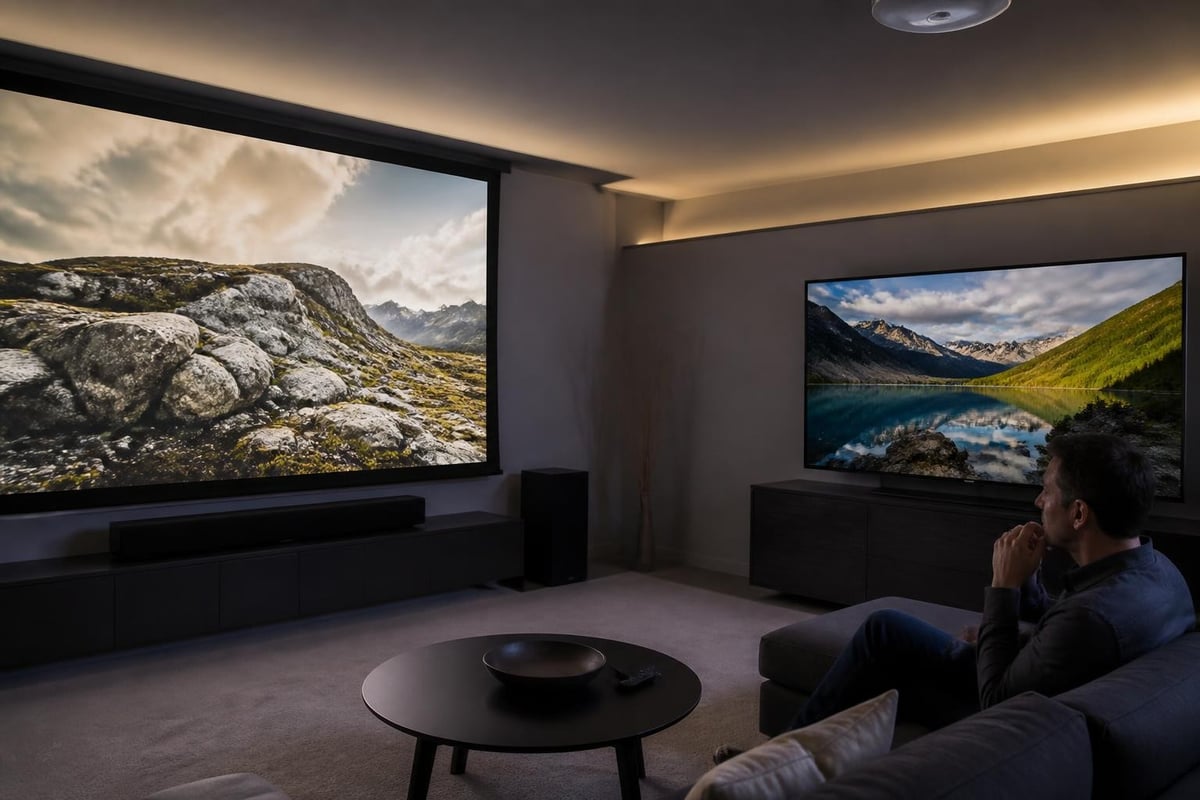
Modern display options range from high-performance LCD and OLED televisions to dedicated projection systems. Each technology offers distinct advantages depending on room conditions and viewing preferences. Advanced installations now feature micro-LED walls with cinema-certified visual quality, though such systems command premium pricing.
Projection systems excel in dedicated theater environments where ambient light control exists. They deliver cinema-scale images at sizes impractical for flat panels. Conversely, high-brightness televisions suit multi-purpose rooms with significant ambient light.
Key display selection factors:
- Ambient light levels and window placement
- Viewing distance and screen size calculations
- HDR capabilities and peak brightness requirements
- Gaming performance specifications for multi-use systems
- Long-term maintenance costs and lamp replacement schedules
Audio System Architecture
Speaker selection and placement fundamentally determine audio quality. Professional companies recommend configurations appropriate for room dimensions and acoustic characteristics rather than defaulting to maximum channel counts.
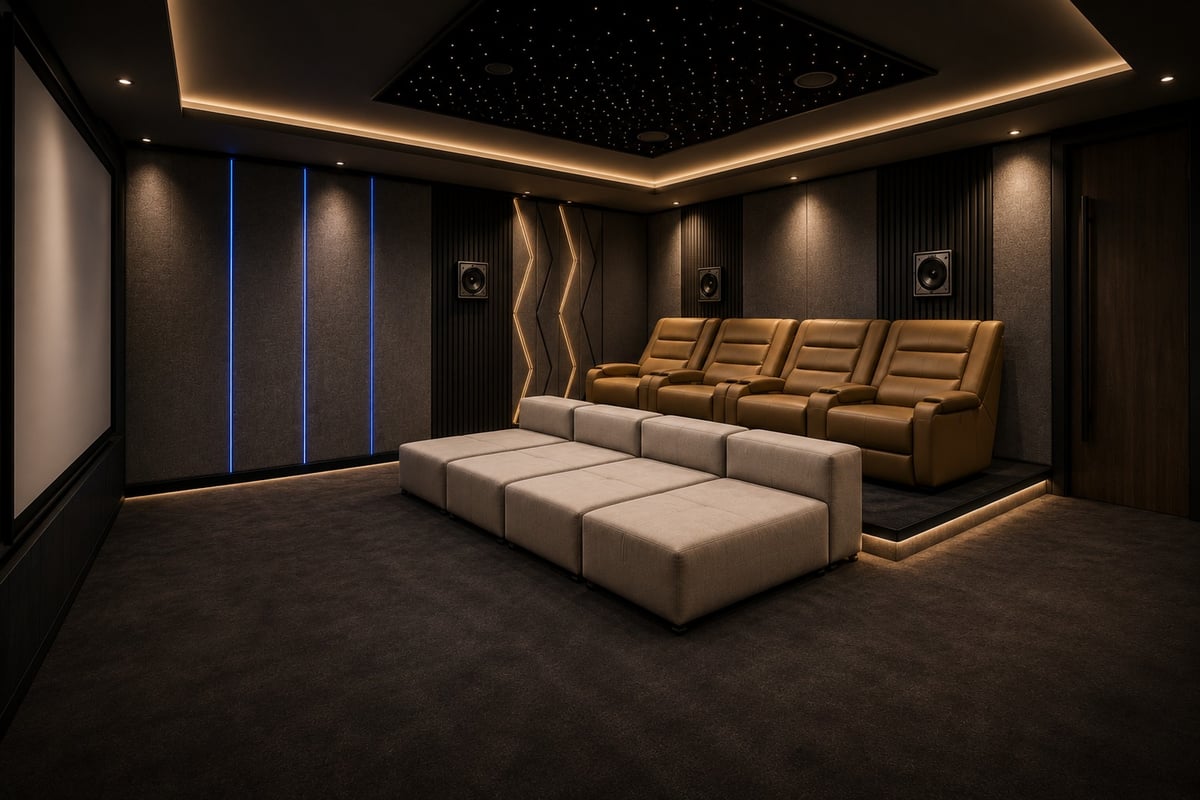
Standard configurations range from 5.1 surround systems to immersive Dolby Atmos installations with overhead speakers. Custom home cinema room conversions often incorporate dedicated cinema speakers designed specifically for home theater applications, delivering the dynamic range and clarity necessary for film soundtracks at reference levels.
Subwoofer integration requires particular attention. Multiple subwoofers positioned strategically throughout the room smooth bass response by exciting room modes differently and minimizing seat-to-seat variation. Professional calibration identifies optimal placement through measurement and analysis.
Source Components and Processing
Modern home theaters integrate multiple source devices including streaming players, gaming consoles, broadcast receivers, and media servers. AV receivers or processors serve as central hubs, managing audio decoding, video processing, and input switching.
Processing capabilities significantly impact system performance. High-quality processors handle format conversions cleanly, apply room correction algorithms effectively, and provide extensive bass management options. They also enable seamless integration with control systems for simplified operation.
The Installation Process
Understanding typical installation timelines and procedures helps set realistic expectations and facilitates smooth project execution.
Pre-Installation Planning
Successful installations begin with thorough planning. Companies coordinate with builders, electricians, and other trades when necessary. They identify structural considerations like joist locations for ceiling speakers, determine optimal equipment locations, and plan wire routing before walls close.
Pre-wire phases occur during construction or renovation. Installers run cables for speakers, displays, control panels, and network infrastructure before drywall installation. This approach ensures clean, concealed installations impossible to achieve in finished spaces without extensive renovation.
Equipment Installation and Integration
Once spaces reach appropriate construction phases, technicians mount displays, install projection screens, position speakers, and place equipment racks. Professional installations maintain strict attention to aesthetic details like symmetrical speaker placement, level mounting, and invisible wire management.
System integration connects all components into cohesive, easily controlled systems. Programmers configure universal remotes or control systems to manage complex equipment arrays through simplified interfaces. Well-designed control systems enable anyone to operate sophisticated theaters without technical knowledge.
Calibration and Client Training
Final calibration optimizes system performance. Technicians measure acoustic response using specialized microphones and analysis software, then adjust processing parameters to achieve accurate frequency response, proper bass integration, and correct speaker levels. Video calibration aligns display performance with industry standards for accurate color reproduction and appropriate brightness levels.
Client training sessions familiarize users with system operation, source selection, and basic troubleshooting. Comprehensive training ensures customers confidently operate their investments without constant technical support.
Market Trends and Consumer Preferences
The home theater industry continues evolving as consumer preferences shift and technology advances. Market analysts project the home theater market will reach $23.52 billion by 2033, driven by increasing demand for intelligent and wireless audio systems.
Smart Home Integration
Contemporary installations increasingly incorporate smart home platforms. Customers expect theaters to integrate with broader automation systems controlling lighting, climate, and security. Voice control through platforms like Amazon Alexa, Google Assistant, or Apple HomeKit adds convenience layers to sophisticated systems.
Integration extends beyond basic control. Advanced systems adjust room conditions automatically based on selected content or time of day. Lights dim, shades lower, and climate systems adjust when movie playback begins, creating optimized viewing environments without manual intervention.
Wireless Technologies and Network Infrastructure
Wireless speaker systems and streaming capabilities reduce installation complexity while maintaining performance standards. However, professional home theater companies recognize that wired connections still offer superior reliability for critical signal paths. Research indicates growing consumer preference for wireless systems while professionals balance convenience with performance requirements.
Robust network infrastructure supports modern entertainment systems. High-bandwidth streaming, networked media servers, and control systems demand properly designed networks with adequate coverage and capacity. Professional installers design networks supporting current requirements while accommodating future expansion.
Multi-Room Solutions Beyond the Theater
Many homeowners extend audio-video capabilities throughout their residences. Multi-room systems deliver synchronized or independent audio to different spaces, controlled through unified interfaces.
Common multi-room applications include:
- Outdoor entertainment areas with weather-resistant speakers
- Kitchen and dining spaces for background music during meal preparation
- Primary bedroom suites with integrated television and audio
- Home offices requiring video conferencing capabilities
- Exercise rooms with motivating audio and video content
Architectural Integration Challenges
Distributing audio-video throughout homes presents architectural challenges absent in single-room installations. Installers must route wiring through multiple levels, navigate existing construction, and maintain aesthetic standards in finished spaces. Experienced companies develop creative solutions minimizing visible equipment while preserving performance.
Centralized equipment locations simplify maintenance and upgrades. Professional designs consolidate source components and processing equipment in dedicated mechanical spaces or unobtrusive cabinets, distributing signals to remote displays and speakers through structured wiring systems.
Maintenance and Long-Term Support
Quality home theater companies provide ongoing support ensuring systems remain operational and current as technology evolves.
Service Agreements and Response Times
Structured service agreements define support parameters including response times, covered components, and maintenance schedules. Premium agreements might include annual calibration updates, software upgrades, and priority service scheduling. These arrangements provide peace of mind and protect investments in complex systems.
Proactive maintenance identifies potential issues before failures occur. Regular inspections verify proper operation, update firmware, clean equipment, and address minor adjustments maintaining peak performance.
System Upgrades and Future-Proofing
Technology advancement inevitably makes installed equipment seem dated. Forward-thinking companies design systems with upgrade paths preserving core infrastructure while enabling component-level improvements. Modular approaches allow display upgrades, processing enhancements, or speaker replacements without complete system overhauls.
Infrastructure decisions significantly impact upgrade flexibility. High-quality in-wall wiring, properly sized conduits, and accessible equipment locations facilitate future modifications. Companies planning beyond immediate requirements deliver better long-term value than those focusing solely on current specifications.
Investment Considerations and Value Proposition
Home theater installations represent significant financial commitments. The U.S. home theater market reflects growing consumer investment in quality entertainment experiences, with homeowners allocating substantial budgets to dedicated installations.
Budget Allocation Strategies
Professional companies help clients allocate budgets effectively across equipment, installation, and room treatments. General guidelines suggest distribution across these categories:
| Budget Component | Recommended Allocation | Rationale |
|---|---|---|
| Display Technology | 25-35% | Foundation of visual experience |
| Audio System | 30-40% | Most impactful performance element |
| Processing/Sources | 15-20% | Critical for system operation |
| Installation Labor | 15-25% | Ensures proper implementation |
| Room Treatments | 10-15% | Often overlooked, highly impactful |
Prioritizing audio investment often yields the most significant performance improvements. Exceptional sound elevates content engagement more dramatically than incremental video improvements at comparable price points.
Return on Investment Factors
While financial ROI calculations suit commercial applications, residential theaters deliver value through enhanced lifestyle quality and property differentiation. Well-executed installations increase home values and appeal to prospective buyers seeking turnkey entertainment solutions.
Durability considerations affect long-term value. Quality components from established manufacturers supported by professional installation and calibration operate reliably for years, avoiding premature replacement costs associated with inferior equipment or improper installation.
Creating an exceptional home theater experience requires technical expertise, design sensibility, and attention to detail that professional home theater companies deliver consistently. From initial consultation through final calibration and ongoing support, specialized providers ensure your investment performs optimally and integrates seamlessly with your lifestyle. ANR media brings extensive experience in custom home cinema and audio-video solutions, from multi-room installations to bespoke theater room conversions, helping you transform entertainment spaces into remarkable experiences.