

The Epson Home Cinema 2350 represents a compelling option for home theater enthusiasts seeking 4K-quality projection without the premium price tag associated with native 4K models. This projector utilizes Epson's 4K PRO-UHD pixel-shifting technology, delivering enhanced resolution and detail through its 3LCD imaging system. With a brightness rating of 2,800 lumens and HDR support, the home cinema 2350 positions itself as a versatile solution for various viewing environments, from dedicated theater rooms to multi-purpose spaces with ambient light challenges.
Technical Specifications and Core Features
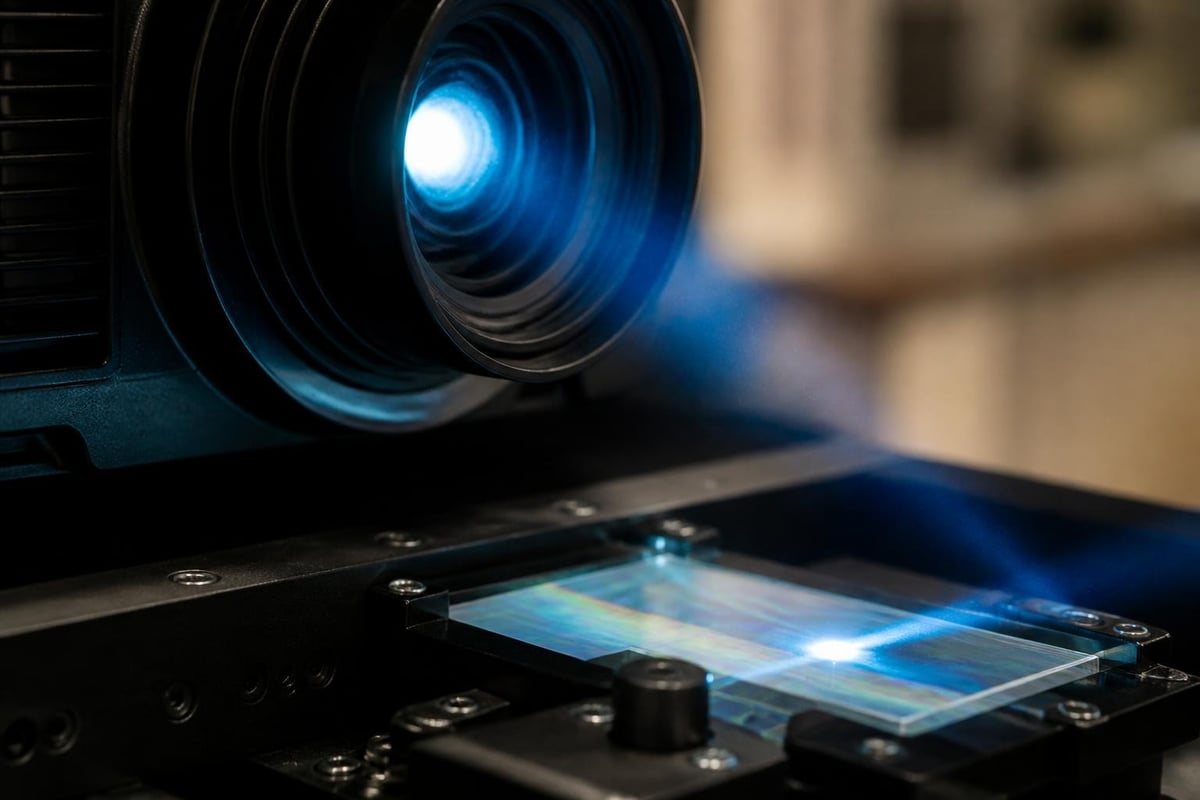
The home cinema 2350 employs Epson's proprietary 3LCD technology, which projects red, green, and blue light simultaneously to eliminate the rainbow effect common in single-chip DLP projectors. This three-chip architecture delivers exceptional color brightness, ensuring that vibrant hues remain consistent even in brighter room conditions.
Resolution and Image Enhancement
The projector's 4K PRO-UHD designation refers to its pixel-shifting capability rather than native 4K resolution. The home cinema 2350 starts with a native 1080p panel and rapidly shifts each pixel diagonally to create approximately four million distinct pixels on screen. While this approach doesn't match the 8.3 million pixels of true 4K projectors, it produces noticeably sharper images than standard 1080p projection.
Key image specifications include:
- Native Resolution: 1920 x 1080 (Full HD)
- Enhanced Resolution: 3840 x 2160 (4K PRO-UHD via pixel-shifting)
- Brightness: 2,800 lumens (color and white brightness)
- Contrast Ratio: 70,000:1 dynamic contrast
- HDR Support: HDR10 compatible with tone mapping
The projector's brightness level makes it particularly suitable for rooms where complete light control isn't always possible. According to testing by ProjectorCentral, the home cinema 2350 maintains impressive image quality even with moderate ambient light, though a darkened environment still yields optimal results for critical viewing.
Picture Quality and Performance Analysis
Image quality represents the most critical factor when evaluating any projection system, and the home cinema 2350 delivers strong performance across multiple criteria. The 3LCD technology ensures balanced color reproduction without requiring complex calibration procedures out of the box.
Color Accuracy and Brightness
The projector achieves equal color and white brightness ratings at 2,800 lumens, a distinction that sets Epson's 3LCD models apart from many competing technologies. This equality prevents the color fading that occurs when white brightness significantly exceeds color brightness ratings.
Pre-calibrated color modes include:
- Dynamic: Maximum brightness for ambient light environments
- Bright Cinema: Optimized balance for rooms with some light control
- Natural: Accurate color reproduction for critical viewing
- Cinema: Warmest color temperature for traditional film appearance
According to comprehensive testing by RTINGS, the home cinema 2350 demonstrates excellent color accuracy in its Natural and Cinema modes, with only minor adjustments needed to achieve reference-standard performance. The projector covers approximately 95% of the Rec. 709 color space, the standard for HD content.
Contrast and Black Levels
Dynamic contrast performance reaches 70,000:1 according to manufacturer specifications, though real-world native contrast typically measures closer to 2,500:1. The projector employs a dynamic iris that adjusts aperture size based on scene content, darkening black levels in predominantly dark scenes while opening for bright content.
| Performance Metric | Specification | Real-World Performance |
|---|---|---|
| Dynamic Contrast | 70,000:1 | Excellent with iris active |
| Native Contrast | Not specified | Approximately 2,500:1 |
| Black Level | Variable | Good for LCD technology |
| Peak Brightness | 2,800 lumens | Consistent across color modes |
While LCD projectors traditionally struggle with deep black levels compared to DLP or laser technologies, the home cinema 2350 performs admirably within its category. Dedicated home theater installations benefit significantly from proper light control and screen selection to maximize perceived contrast.
Gaming Performance and Input Lag
Modern projectors serve dual purposes as both cinema displays and gaming screens, making input lag a crucial specification. The home cinema 2350 includes specific optimizations for gaming applications, though performance varies depending on selected settings.
Input Lag Measurements
Input lag represents the delay between signal input and image display, critical for responsive gaming experiences. The projector offers a dedicated "Game" mode that reduces processing overhead to minimize this delay.
Measured input lag performance:
- Game Mode (1080p): Approximately 27-28 milliseconds
- Game Mode (4K signal): Approximately 28-29 milliseconds
- Standard Modes: 50-70 milliseconds depending on processing enabled
According to detailed analysis by TechGearLab, the home cinema 2350's input lag in Game mode falls within acceptable ranges for most gaming genres, though competitive esports players may prefer displays with sub-20ms response times. The consistent lag across input resolutions represents a significant advantage, as many projectors show increased delay when processing 4K signals.
HDMI Connectivity and Signal Compatibility
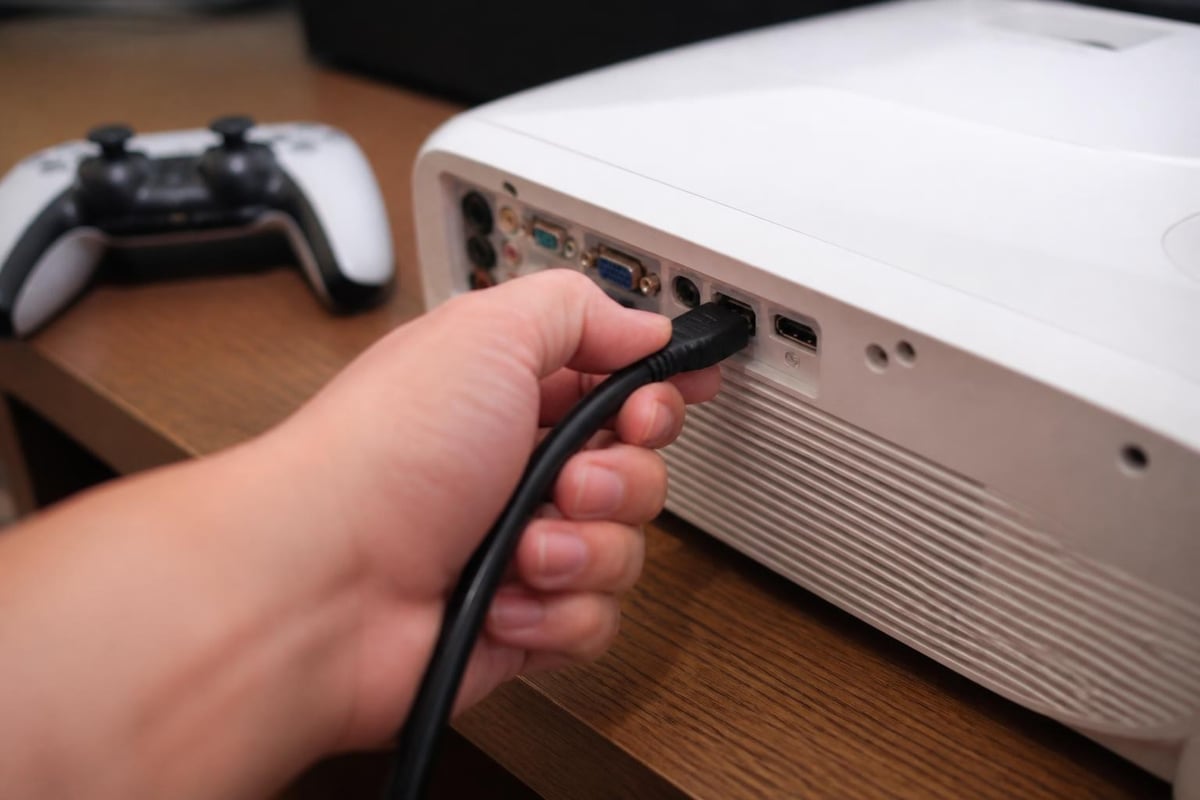
The projector provides two HDMI ports supporting HDCP 2.2 copy protection, enabling compatibility with 4K streaming devices and gaming consoles. Both inputs accept 4K signals at 60Hz, though the pixel-shifting process adds minimal processing time.
For serious gaming enthusiasts considering large-scale projection, specialized equipment makes a significant difference. When designing comprehensive entertainment systems, custom home cinema room conversions integrate proper acoustic treatment, dedicated power conditioning, and optimized screen placement to maximize both gaming and cinema performance.
Smart Features and Streaming Capabilities
The home cinema 2350 includes integrated Android TV functionality, eliminating the need for external streaming devices in many scenarios. This smart platform provides direct access to popular streaming services and content libraries.
Android TV Integration
Built-in Android TV offers access to thousands of applications through the Google Play Store. Pre-installed apps typically include Netflix, Amazon Prime Video, Disney+, YouTube, and other major streaming platforms. Voice control through Google Assistant enables hands-free navigation and content search.
The wireless connectivity suite includes:
- Wi-Fi: 802.11ac dual-band (2.4GHz and 5GHz)
- Bluetooth: Audio output to wireless speakers or headphones
- Chromecast Built-in: Direct casting from mobile devices
- AirPlay Compatibility: Screen mirroring from Apple devices
Wireless performance proves adequate for streaming 4K content over home networks, though wired Ethernet connections provide more consistent bandwidth for high-bitrate sources. Reviews from Gadget Review note that the Android TV interface responds quickly and rarely exhibits the sluggishness common in some smart projector implementations.
Installation Flexibility and Setup Options
Projection systems require more planning than flat-panel displays, making installation flexibility a valuable attribute. The home cinema 2350 provides several adjustment options to accommodate various room configurations.
Lens and Positioning Capabilities
The projector features a 1.6x optical zoom lens, allowing significant placement flexibility without image quality degradation. This zoom range means the unit can be positioned closer or farther from the screen while maintaining the same image size.
Adjustment capabilities include:
| Feature | Range/Capability | Practical Benefit |
|---|---|---|
| Optical Zoom | 1.6x | Screen size adjustment without moving projector |
| Lens Shift | ±60% vertical, ±24% horizontal | Off-center mounting without keystone distortion |
| Keystone Correction | ±30° vertical, ±30° horizontal | Digital geometry correction (slight quality loss) |
| Throw Distance | 9-22 feet for 100" diagonal | Flexible room placement options |
The vertical and horizontal lens shift capabilities represent particularly valuable features, as detailed testing from ProjectorVault demonstrates. These mechanical adjustments preserve image quality while accommodating ceiling mounts or shelf placements that don't align perfectly with screen center.
Calibration and Picture Adjustments
Beyond basic positioning, the home cinema 2350 offers extensive picture calibration options for users seeking reference-quality performance. The projector includes ten-point white balance adjustment, gamma curve selection, and color management system (CMS) controls for precise fine-tuning.
Operational Considerations and Maintenance
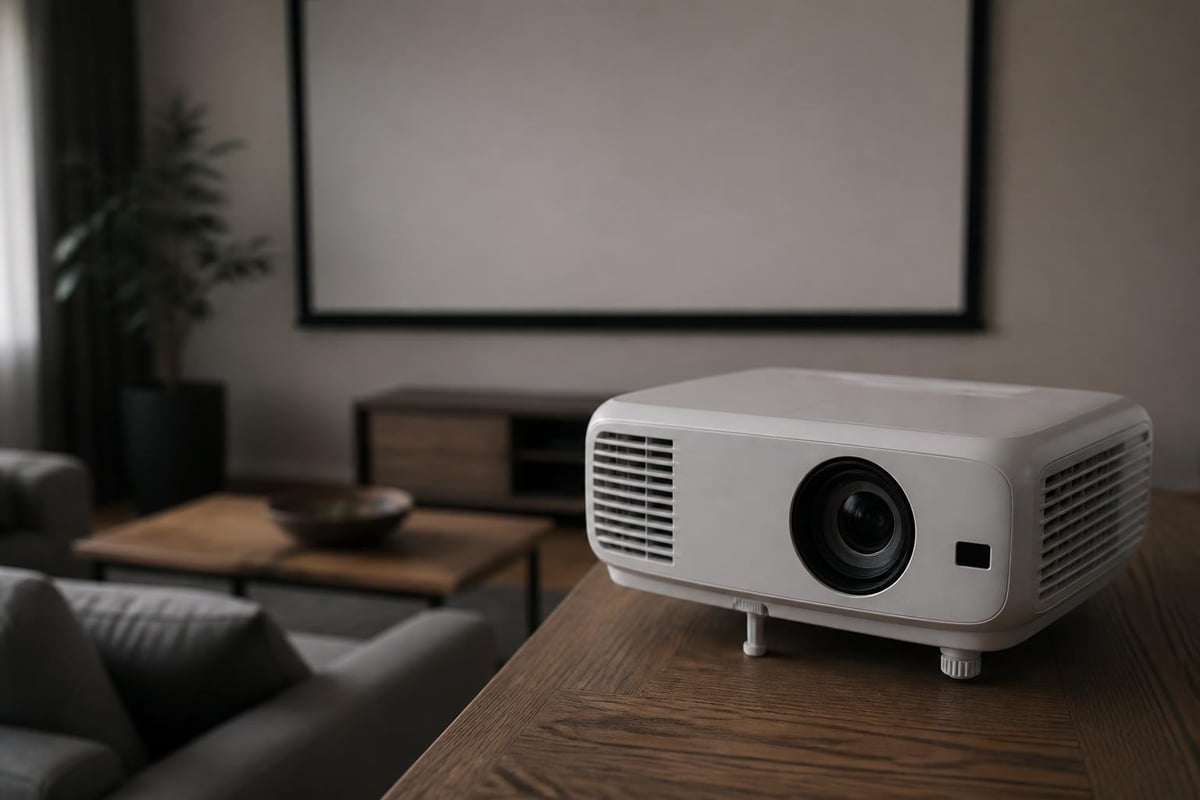
Long-term ownership involves understanding operational characteristics beyond initial picture quality. The home cinema 2350 employs a lamp-based light source rather than laser or LED technology, affecting both performance longevity and ongoing costs.
Lamp Life and Replacement Costs
The UHE (Ultra High Efficiency) lamp provides different operational lifespans depending on selected power mode:
- Normal Mode: 4,500 hours rated life
- ECO Mode: 7,500 hours rated life
- Extended ECO Mode: 12,000 hours rated life
Replacement lamp costs typically range from $150 to $250 depending on retailer and whether choosing original Epson lamps or compatible third-party options. At an average viewing time of three hours daily in ECO mode, users can expect approximately six to seven years before requiring replacement.
Fan Noise and Thermal Management
Projector noise levels impact viewing experience, particularly during quiet movie scenes. The home cinema 2350 generates approximately 28 decibels in ECO mode and 37 decibels in Normal mode. The quieter ECO setting proves suitable for most viewing scenarios, with the slight brightness reduction rarely noticeable in properly darkened environments.
According to long-term testing from ProjVue, fan noise remains consistent throughout the lamp's lifespan, with minimal increase as components age. Proper ventilation clearances (at least 8 inches on all sides) ensure optimal thermal management and prevent premature component degradation.
Comparative Analysis and Market Position
Understanding how the home cinema 2350 compares to competing models helps inform purchasing decisions. The projector occupies the mid-range market segment, offering enhanced features beyond entry-level models while maintaining accessibility compared to premium offerings.
Competitive Landscape
Primary competitors include:
- BenQ HT3550: Native 4K DLP projector at higher price point
- Optoma UHD38: True 4K DLP with gaming focus
- Epson Home Cinema 3800: Step-up model with higher brightness
- ViewSonic PX701-4K: Budget-oriented 4K DLP alternative
The home cinema 2350 differentiates itself through 3LCD technology's color performance and the absence of rainbow artifacts. While native 4K models deliver marginally sharper images, the price premium often reaches 40-60% higher for comparable brightness levels.
Expert reviews aggregated by Criticaster consistently praise the projector's balanced feature set and strong overall value proposition. The combination of bright output, smart features, and gaming-capable input lag creates versatility that single-purpose projectors lack.
HDR Performance and Content Optimization
High Dynamic Range content presents unique challenges for projection systems, as achieving the peak brightness levels specified by HDR standards requires significant light output. The home cinema 2350 supports HDR10 input signals and applies tone mapping to fit HDR content within its brightness and contrast capabilities.
Tone Mapping Implementation
HDR content mastered for 1,000+ nits peak brightness must be compressed to fit the projector's actual output range. Epson's tone mapping algorithm attempts to preserve highlight detail while maintaining shadow information, though some compromise becomes inevitable.
HDR performance characteristics:
- Bright Highlights: Well-preserved in moderate-sized images
- Shadow Detail: Good retention with dynamic iris active
- Color Volume: Excellent within Rec. 709 gamut
- Wide Color Gamut: Limited DCI-P3 coverage
Realistic expectations prove important when evaluating HDR projection. As analysis from Simple Home Cinema explains, the home cinema 2350 delivers noticeably improved dynamic range compared to standard dynamic range content, though it cannot replicate the full HDR experience of high-end displays or laser projectors.
Audio Capabilities and External Integration
While the home cinema 2350 includes built-in 10-watt stereo speakers, serious home theater applications benefit from external audio systems. The projector provides several audio output options for integration with surround sound receivers and soundbars.
Audio Connectivity Options
Available audio outputs include:
- HDMI ARC: Audio return channel for compatible receivers
- Optical Digital: S/PDIF output for surround processors
- 3.5mm Stereo: Analog output for powered speakers
- Bluetooth: Wireless audio transmission to speakers or headphones
The HDMI ARC functionality simplifies system integration, allowing the projector to receive audio from external devices and pass it to an AV receiver through a single cable. This proves particularly valuable when using the built-in Android TV platform, as streaming audio can be routed to quality speakers without additional connections.
According to user feedback compiled by The Inside Review, the internal speakers provide adequate performance for casual viewing and gaming but lack the depth and dynamics required for cinematic experiences. Pairing the projector with dedicated audio components transforms the overall experience significantly.
Screen Selection and Image Optimization
The projection screen significantly influences perceived image quality, affecting brightness, contrast, color accuracy, and viewing angle characteristics. The home cinema 2350's specifications inform optimal screen selection.
Screen Material Considerations
Recommended screen characteristics for the home cinema 2350:
| Screen Type | Gain | Best Application | Considerations |
|---|---|---|---|
| Matte White | 1.0-1.1 | Darkened rooms | Neutral color, wide viewing angle |
| High Contrast Gray | 0.8-0.9 | Rooms with some ambient light | Improved black levels, narrower angles |
| Ambient Light Rejecting | 0.8-1.3 | Bright multi-purpose spaces | Directional characteristics, premium cost |
| Acoustically Transparent | 1.0-1.3 | Behind-screen speaker placement | Slight brightness loss, specialized use |
The projector's 2,800 lumens output provides flexibility in screen sizing. For optimal image quality in controlled lighting, screens between 100-120 inches diagonal deliver excellent brightness and detail. Larger screens remain viable with some brightness sacrifice, while smaller screens appear exceptionally bright and vibrant.
Practical Usage Scenarios and Applications
The home cinema 2350's balanced specifications make it suitable for multiple entertainment scenarios beyond traditional movie watching. Understanding these applications helps potential buyers assess fit for their specific needs.
Dedicated Home Theater Rooms
In properly designed theater environments with light control and acoustic treatment, the projector delivers cinema-quality experiences. The combination of large screen sizes, HDR content, and quality audio creates immersive viewing that flat panels cannot match at comparable costs.
Multi-Purpose Entertainment Spaces
The projector's brightness and smart features make it viable for family rooms and living spaces where complete darkness isn't always achievable. Sports viewing, gaming sessions, and streaming content all perform well even with moderate ambient light.
Gaming Applications
Console and PC gaming benefit from the home cinema 2350's low input lag and large image sizes. The immersive scale enhances racing games, adventure titles, and cinematic experiences, though competitive multiplayer gaming might favor faster displays.
Outdoor and Temporary Installations
Portable projection applications leverage the home cinema 2350's brightness and wireless capabilities. The integrated Android TV eliminates the need for external streaming devices, simplifying setup for outdoor movie nights or temporary event screenings.
The Epson Home Cinema 2350 delivers compelling performance across multiple entertainment applications, balancing picture quality, gaming capabilities, and smart features in a versatile package. Whether you're watching 4K HDR movies, gaming with friends, or streaming content from your favorite services, this projector provides the foundation for engaging large-screen experiences. For those seeking professionally designed and installed projection systems that maximize performance through proper room acoustics, screen selection, and component integration, ANR media specializes in custom home cinema solutions tailored to your space and preferences.