

Building a polk audio home theater system offers an accessible entry point into premium home entertainment without the astronomical price tags of boutique brands. For over 50 years, Polk Audio has engineered speakers and sound solutions that balance performance with affordability, making cinematic experiences attainable for homeowners who demand quality without compromise. Whether you're converting a spare bedroom into a dedicated screening room or enhancing your living space with immersive surround sound, understanding how polk audio home theater components work together ensures you maximize your investment and acoustic potential.
Understanding Polk Audio's Home Theater Philosophy
Polk Audio built its reputation on a simple premise: exceptional sound shouldn't require a second mortgage. This philosophy permeates every product line, from entry-level soundbars to sophisticated tower speaker arrays designed for dedicated theater environments.
The brand's engineering approach focuses on proprietary technologies that extract maximum performance from carefully selected materials. Dynamic Balance technology, for instance, uses laser imaging to analyze driver behavior and eliminate distortion-causing resonances. This means even their affordable speakers deliver clarity that rivals competitors charging significantly more.
Key Technologies in Polk Audio Speakers
Understanding the innovations behind polk audio home theater systems helps you appreciate why these components perform so well across various room sizes and configurations:
- Dynamic Balance drivers reduce resonance and distortion through advanced material analysis
- Power Port technology eliminates turbulence in bass ports for deeper, cleaner low frequencies
- Cascade tapered array uses multiple tweeters for wider dispersion without hotspots
- Terylene dome tweeters provide smooth high-frequency response without harshness
These technologies work synergistically to create soundstages that envelope listeners rather than bombard them from fixed points. The result is dimensionality that makes movie soundtracks breathe with life.
Choosing Your Polk Audio Home Theater Configuration
The configuration you select dramatically impacts both performance and budget. Polk Audio’s home theater setup guide outlines several approaches, but understanding your space and expectations narrows choices efficiently.
Speaker Configuration Options
| Configuration | Channels | Best For | Complexity |
|---|---|---|---|
| Soundbar + Sub | 2.1 – 3.1 | Apartments, small rooms | Low |
| Standard Surround | 5.1 | Living rooms, multipurpose spaces | Medium |
| Enhanced Surround | 7.1 | Dedicated theaters, larger rooms | Medium-High |
| Dolby Atmos | 5.1.2 – 7.1.4 | Immersive experiences, cinema quality | High |
A basic 5.1 polk audio home theater setup includes front left/right speakers, a center channel, two surround speakers, and a subwoofer. This configuration handles 95% of movie soundtracks brilliantly and represents the sweet spot for most homeowners balancing performance against investment.
For those craving overhead sound effects, Dolby Atmos configurations add height channels. Polk's upward-firing modules bounce sound off ceilings, creating the illusion of helicopters passing overhead or rain falling around you. These systems transform passive watching into active immersion.
Room Size Considerations
Your room's dimensions determine which polk audio home theater components will perform optimally. Small rooms under 200 square feet often benefit from compact satellite speakers paired with a capable subwoofer. The Polk Audio MagniFi series soundbars excel here, delivering convincing surround effects without physical rear speakers through psychoacoustic processing.
Medium rooms between 200-400 square feet demand more substantial front speakers. Bookshelf models provide adequate output, though tower speakers offer fuller bass extension and dynamic headroom. Position surrounds 90-110 degrees from the primary listening position at ear level or slightly above.
Large dedicated theaters exceeding 400 square feet require the full treatment: tower speakers up front, substantial center channel, multiple subwoofers for even bass distribution, and possibly additional surround channels for comprehensive coverage. This is where polk audio home theater systems prove their value, scaling performance without requiring equipment refinancing.
Soundbar Solutions for Simplified Theater Sound
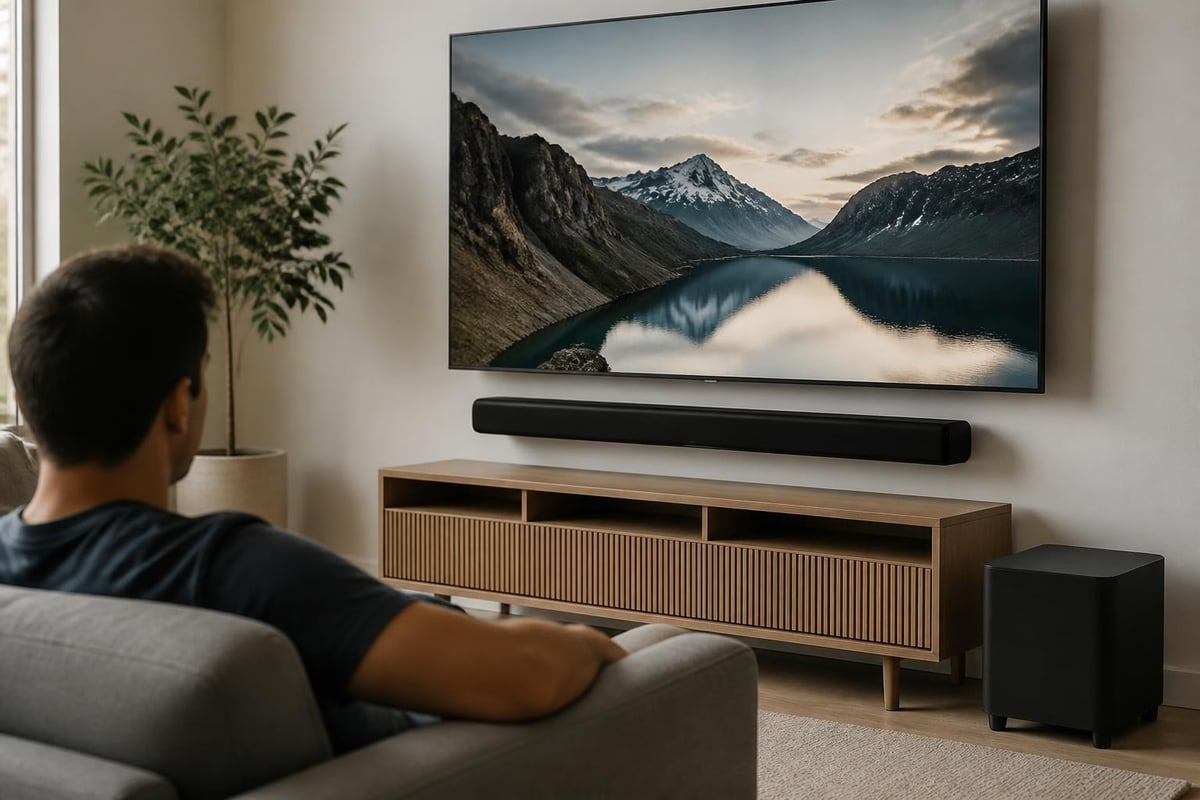
Not every homeowner wants speakers scattered throughout their living space. Polk Audio's soundbar lineup addresses this reality with elegantly designed systems that minimize visual clutter while maximizing acoustic impact.
The Signa S4 represents exceptional value in the mid-range category. Comparisons between the Bose Smart Soundbar and Polk Audio Signa S4 consistently highlight how the Polk offering delivers comparable or superior performance at a lower price point. Its wireless subwoofer adds floor-shaking bass, while Dolby Digital decoding ensures proper soundtrack rendering.
Soundbar Setup Optimization
After unboxing your polk audio home theater soundbar, proper configuration ensures you experience its full capabilities:
- Position the soundbar directly below or above your display, centered horizontally
- Place the wireless subwoofer in a corner or along a wall for bass reinforcement
- Access the soundbar's setup menu and run any included room calibration
- Enable HDMI ARC or eARC on both your TV and soundbar for simplified control
- Test different sound modes (movie, music, night) to understand their characteristics
Essential soundbar features worth exploring include dialogue enhancement modes that clarify speech without boosting overall volume, night modes that compress dynamic range for apartment-friendly listening, and streaming connectivity that turns your soundbar into a music system between movie nights.
Building a Traditional Speaker-Based System
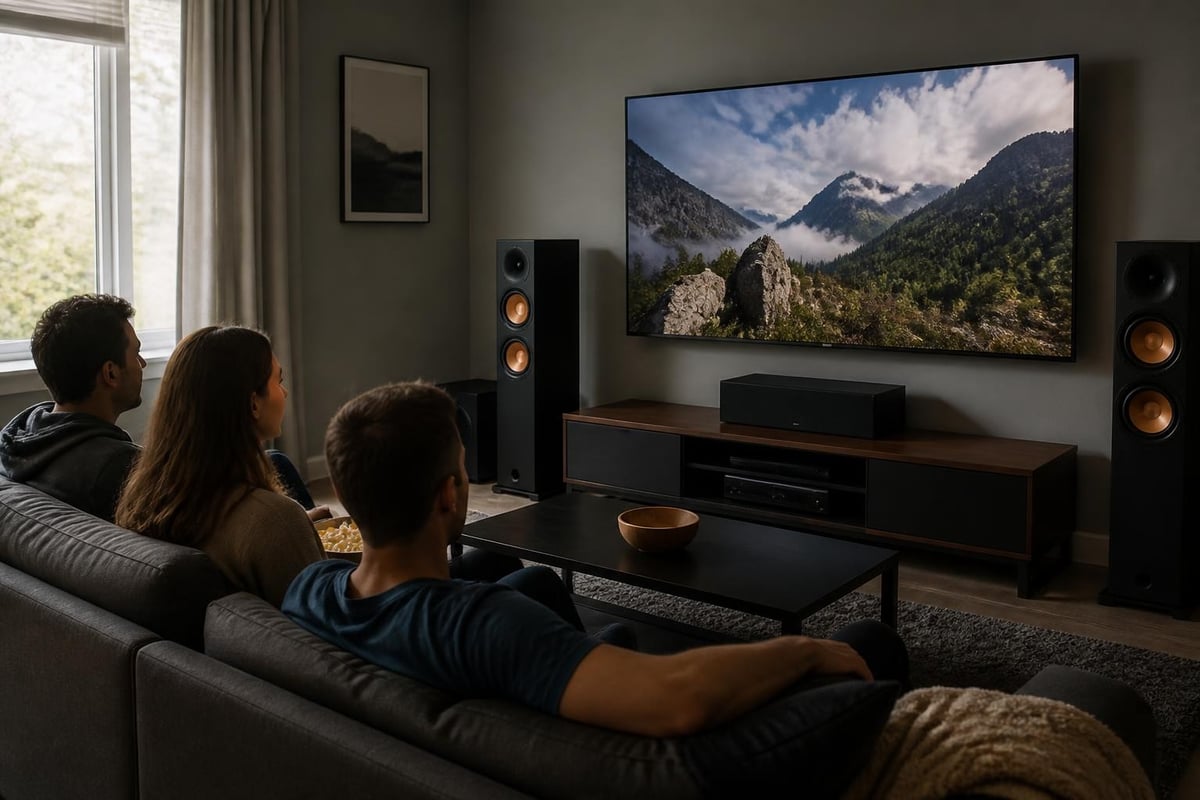
While soundbars offer convenience, traditional polk audio home theater speaker systems provide superior performance for serious enthusiasts. Discrete components create authentic soundstages with pinpoint imaging that soundbar virtualization can't fully replicate.
Front Stage Components
Your front three speakers handle approximately 70% of a movie's soundtrack. Matching these ensures seamless pans across the screen as objects or dialogue move. Polk's Monitor XT series offers affordable towers with dual woofers that don't require subwoofer assistance for most content, though adding one still improves impact.
The center channel deserves special attention since it reproduces nearly all dialogue. Many installers underestimate its importance, allocating budget primarily to left/right speakers. This creates intelligibility problems, especially during complex action sequences with competing sound effects. Size your center channel equal to or larger than your mains whenever possible.
Surround and Height Speakers
Surround speakers create envelopment and directionality for off-screen effects. Your polk audio home theater surrounds don't need to match the front stage exactly, though staying within the same product family maintains tonal consistency. Bipole/dipole designs excel for side surrounds in 7.1 systems, creating diffuse sound fields that enhance immersion.
Height speakers for Dolby Atmos can be ceiling-mounted traditional speakers or upward-firing modules placed atop front and/or surround speakers. Upward-firing designs require flat, reflective ceilings at appropriate heights (8-10 feet optimal). In-ceiling speakers provide more accurate localization but involve installation complexity that not all homeowners embrace.
Subwoofer Selection and Placement
Bass forms the foundation of cinematic impact. Explosions, musical scores, and environmental rumbles gain emotional weight through proper low-frequency reproduction. Polk audio home theater subwoofers use long-throw drivers and ported or sealed enclosures to move substantial air without excessive distortion.
Single Versus Multiple Subwoofers
One capable subwoofer suffices for many rooms, but dual subwoofers smooth bass response throughout the seating area. Room modes (standing waves at specific frequencies) create peaks and nulls that make some seats sound boomy while others lack bass entirely. Multiple subwoofers excite room modes differently, averaging out variations for more consistent response.
Place your primary subwoofer using the "crawl method": position the sub at your main listening seat, play bass-heavy content, then crawl around the room's perimeter listening for the smoothest, most impactful bass. That location becomes your subwoofer's home. For dual subs, place them at midpoints of opposing walls or in diagonal corners.
Calibration and Integration
Modern receivers include automated room correction systems (Audyssey, Dirac, YPAO) that measure speaker response and apply equalization. These systems dramatically improve polk audio home theater performance by compensating for room acoustics and ensuring proper subwoofer integration. The crossover point (typically 80Hz) determines which frequencies the subwoofer handles versus your main speakers.
Set all speakers to "small" in your receiver's configuration, even towers. This routes low frequencies to the subwoofer, which handles them more efficiently than smaller drivers struggling at their limits. Your overall system gains headroom, clarity, and dynamic range through this approach.
Professional Installation Versus DIY Approach
Deciding between professional installation and self-installation depends on system complexity and your comfort with technical setup. A basic soundbar requires minimal expertise beyond connecting HDMI cables and pairing wireless components. Multi-channel speaker systems demand more consideration.
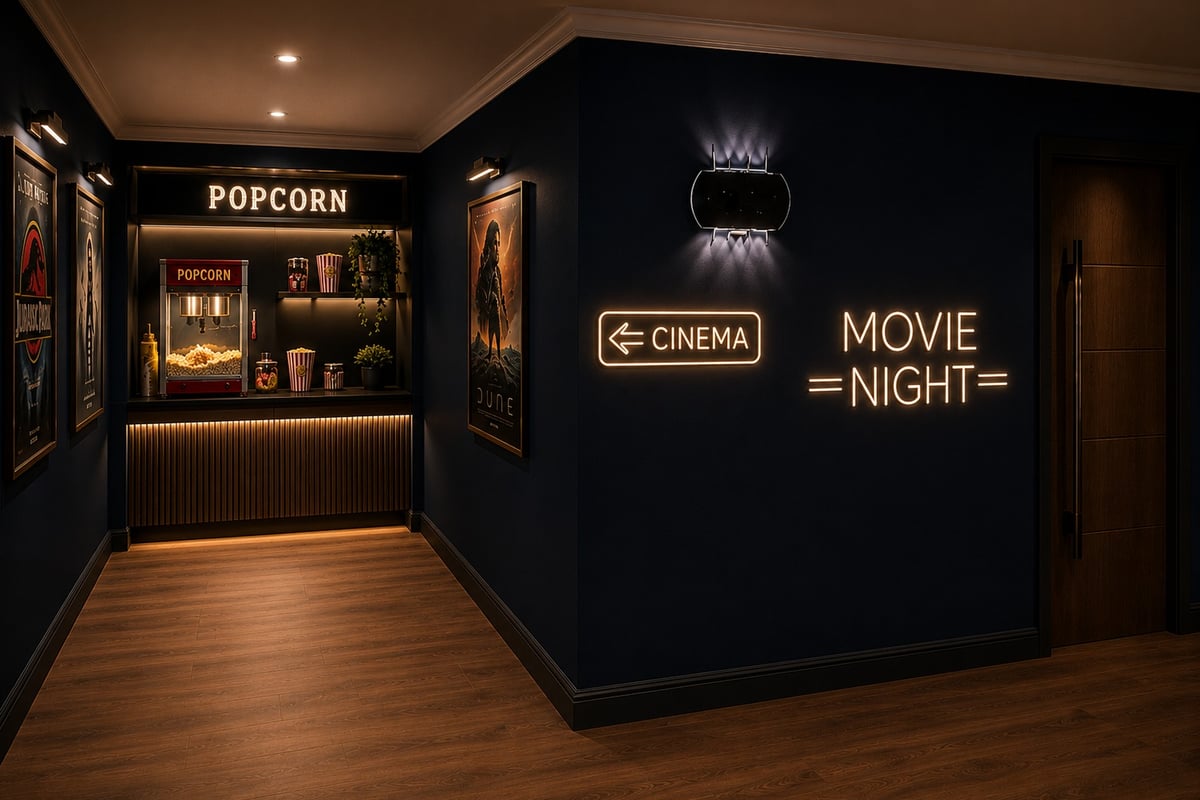
For homeowners pursuing custom installations in dedicated spaces, professional expertise ensures optimal performance. Custom home cinema room conversions transform ordinary rooms into purpose-built theaters through acoustic treatment, strategic speaker placement, lighting control, and seating optimization. These turnkey solutions eliminate guesswork while delivering results that casual installers struggle to replicate.
DIY Installation Considerations
Self-installers should methodically approach their polk audio home theater setup:
- Plan wire routing before mounting speakers to avoid visible cables
- Invest in quality speaker wire (14-16 gauge minimum) for long runs
- Label everything as you connect to simplify troubleshooting
- Use a laser level for perfectly aligned speaker mounting
- Document settings after calibration in case factory resets occur
Visual setup tutorials demonstrate proper connections and menu navigation for specific Polk Audio products. Following manufacturer guidance prevents common mistakes like reversed polarity that creates hollow, bass-deficient sound.
Expanding Beyond the Theater Room
Polk audio home theater capabilities extend beyond single-room installations. Multi-room audio systems distribute entertainment throughout homes, letting you enjoy movie soundtracks in the theater while someone else streams music in the kitchen.
Modern receivers with zone 2/3 capabilities power separate speaker sets in different rooms. Alternatively, wireless streaming platforms like Sonos, HEOS, or proprietary Polk systems enable independent control over what plays where. This flexibility particularly benefits households with diverse listening preferences.
Outdoor Theater Applications
Weather-resistant Polk speakers bring theater experiences to patios and pool areas. Polk Audio’s updated Atrium series features enhanced environmental protection without sacrificing sound quality. Mounting these around outdoor seating creates alfresco screening experiences during temperate evenings.
Outdoor installations require additional planning since sound dissipates in open air rather than reflecting off walls. Position speakers closer to listeners than indoor equivalents, and consider adding extra speakers to cover larger areas. Subwoofers generally remain indoors to protect electronics, though their bass penetrates exterior walls effectively at moderate volumes.
Matching Polk Audio Components with Other Brands
While complete polk audio home theater systems ensure tonal matching, mixing brands occasionally makes sense when specific components don't align with your needs or budget. Subwoofers particularly tolerate brand mixing since they operate below frequencies where timbral matching matters.
Receivers from Denon, Marantz, Yamaha, or Onkyo partner excellently with Polk speakers. These manufacturers engineer their amplification sections to handle typical speaker impedances (6-8 ohms) that Polk designs present. Avoid pairing with underpowered amplifiers; Polk's efficient designs appreciate clean power that allows dynamic peaks without strain.
Comparison with Premium Brands
| Feature | Polk Audio | Premium Brands | Advantage |
|---|---|---|---|
| Price Point | $$ | $$$$ | Polk |
| Build Quality | Excellent | Outstanding | Premium |
| Sound Quality | Very Good | Exceptional | Premium |
| Technology | Modern | Cutting-Edge | Premium |
| Value | Outstanding | Moderate | Polk |
| Warranty | Standard | Extended | Premium |
The performance gap between quality mainstream brands like Polk and ultra-premium options narrows each year. Diminishing returns set in aggressively above certain price thresholds. Most listeners struggle to identify meaningful differences in blind testing, especially after proper room calibration addresses acoustic issues that affect all speakers equally.
Optimizing Your Polk Audio Home Theater Investment
Maximizing performance from your polk audio home theater extends beyond equipment selection into room treatment and calibration. Bare walls, hard floors, and minimal furnishings create acoustic nightmares where reflections muddy dialogue and imaging.
Acoustic Treatment Fundamentals
Strategic absorption and diffusion transform challenging rooms into controlled environments:
- Place absorption panels at first reflection points on side walls
- Add thick curtains or acoustic panels behind the listening position
- Use area rugs on hard floors to reduce floor-ceiling reflections
- Install bass traps in corners where low-frequency energy accumulates
Even modest treatment dramatically improves clarity and immersion. You'll hear subtleties in soundtracks that previously disappeared into acoustic chaos. Polk speakers resolve this detail when room acoustics permit.
Calibration Best Practices
After positioning speakers and treating obvious acoustic problems, proper calibration extracts maximum performance. Modern receivers' automated systems work remarkably well, though understanding their limitations prevents frustration:
- Conduct measurements with the room quiet (disable HVAC temporarily)
- Position the calibration microphone at head height in the primary seat
- Run multiple measurement sweeps if your receiver supports averaging
- Review the suggested settings before accepting them blindly
- Make small manual adjustments based on listening tests with familiar content
Some systems over-correct, creating overly bright or dull presentations. Trust your ears during final adjustments, referencing well-recorded material you know intimately.
Maintenance and Longevity Expectations
Quality polk audio home theater components deliver decades of reliable service with minimal maintenance. Speakers contain no moving parts beyond drivers, which rarely fail under normal use. Subwoofer amplifiers represent the most likely failure point after 10-15 years as capacitors age.
Regular dusting prevents buildup that can eventually impact driver performance. Use compressed air for tweeter cleaning rather than touching delicate domes. Vacuum grilles periodically to maintain airflow through ports and passive radiators.
Receiver firmware updates occasionally improve performance or add features. Check manufacturer websites annually for updates, applying them during off-hours when theater downtime won't inconvenience anyone. Document all settings before updating in case factory resets occur.
Upgrading Strategically
As your budget permits, strategic upgrades maintain system relevance:
- Start with the subwoofer for immediately noticeable bass improvement
- Upgrade the center channel next to enhance dialogue clarity
- Add height speakers to existing systems for Dolby Atmos capability
- Replace the receiver last unless you need new HDMI standards or features
This approach provides maximum improvement per dollar spent. Comprehensive buying guidance from Polk Audio helps identify which components benefit your specific situation most effectively.
Real-World Performance Examples
Understanding theoretical specifications matters less than knowing how polk audio home theater systems perform in actual installations. Customer experiences reveal practical strengths and limitations that specifications can't convey.
Documentation of a 7.1.2 Polk Audio setup demonstrates the immersive capabilities achievable in moderately sized rooms without exotic components. The installation showcases how proper placement and calibration extract professional results from consumer-grade equipment.
Action movies with complex soundtracks particularly benefit from capable systems. The opening battle in "Saving Private Ryan" or the highway chase in "Matrix Reloaded" test dynamic range, dialogue intelligibility during chaos, and positional accuracy simultaneously. Polk systems render these demanding sequences without the compression or harshness that budget alternatives exhibit under stress.
Musical Performance Considerations
Home theaters serve double duty as music playback systems. Polk audio home theater speakers excel here through their balanced tonal signature that favors accuracy over artificial excitement. Classical recordings reveal instrumental textures, rock maintains energy without fatigue, and jazz presents spatial cues that place musicians realistically across the soundstage.
Stereo music often sounds better with the receiver in "pure direct" mode, bypassing video processing and room correction for the shortest signal path. This preserves musical nuance that heavy processing sometimes obscures. Experiment with different playback modes to identify your preferences across various genres.
Building a polk audio home theater system delivers cinema-quality experiences without the premium pricing of boutique brands, offering exceptional value for homeowners who prioritize performance. Whether you choose simplified soundbar solutions or elaborate multi-channel configurations, proper planning and installation ensure you maximize your investment. For those pursuing custom installations with professional acoustic treatment, strategic component selection, and optimized calibration, ANR media specializes in transforming ordinary rooms into extraordinary entertainment spaces through expert design and installation services.