

Modern home entertainment demands exceptional audio quality without the complexity of extensive wiring. A wireless surround system delivers cinematic sound throughout your space while eliminating the cable clutter that traditionally accompanied high-quality audio installations. These systems have evolved significantly over recent years, offering homeowners the freedom to position speakers optimally without worrying about running wires through walls or under carpets. Whether you're building a dedicated home cinema or upgrading your living room entertainment setup, understanding wireless surround technology helps you make informed decisions that balance performance, convenience, and aesthetics.
Understanding Wireless Surround System Technology
A wireless surround system uses radio frequency or Wi-Fi technology to transmit audio signals from a central receiver to satellite speakers positioned around your room. Unlike traditional wired configurations, these systems require only power connections at each speaker location, dramatically simplifying installation and room layout flexibility.
The technology behind these systems has matured considerably. Early wireless audio solutions suffered from latency issues, creating noticeable delays between video and audio. Modern wireless surround system implementations have virtually eliminated this problem through advanced signal processing and dedicated wireless protocols. Most premium systems now achieve latency under 20 milliseconds, making synchronization imperceptible to human ears.
Key Wireless Transmission Methods
Different manufacturers employ various wireless technologies, each with distinct advantages:
- Proprietary RF systems operate on dedicated frequency bands, minimizing interference from Wi-Fi networks and other household devices
- Wi-Fi based systems integrate with existing home networks and often support multi-room audio expansion
- Bluetooth connections offer universal compatibility but typically provide lower audio quality and limited range
- Hybrid approaches combine multiple technologies to optimize performance and reliability
When evaluating options, best wireless speaker reviews from audio experts provide valuable insights into real-world performance across different technologies.
Components of a Complete Wireless Surround System
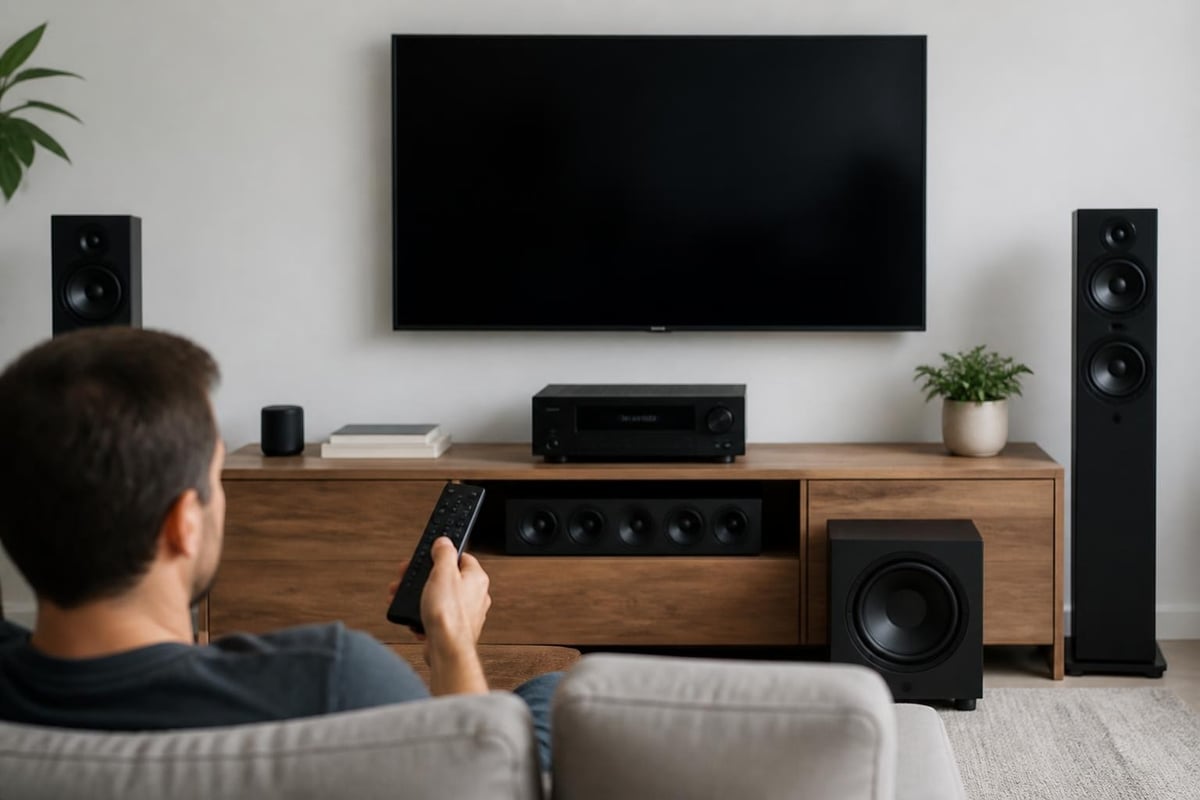
Building an effective wireless surround system requires understanding the essential components and how they work together. The foundation starts with a central hub or AV receiver that processes audio signals and distributes them wirelessly to positioned speakers.
| Component | Function | Wireless Consideration |
|---|---|---|
| AV Receiver/Hub | Decodes and distributes audio | Must support wireless transmission protocol |
| Front Left/Right Speakers | Primary audio channels | Often wired to receiver for best quality |
| Center Channel | Dialog and vocals | Critical for clarity, sometimes wired |
| Surround Speakers | Ambient and directional effects | Ideal candidates for wireless connection |
| Subwoofer | Low-frequency effects | Wireless models eliminate difficult cable runs |
Front soundstage speakers typically remain wired to the main receiver because they handle the majority of audio content and benefit from the absolute highest fidelity connections. The real advantage of wireless surround system architecture emerges with rear and side speakers, where cable routing presents the greatest installation challenges.
Soundbar-Based Wireless Solutions
Soundbar systems represent the most accessible entry point into wireless surround sound. These all-in-one solutions integrate multiple speakers into a single cabinet placed below your television, with wireless satellite speakers for true surround effects.
Premium soundbar packages include wireless rear speakers that create authentic 5.1 or 7.1 channel configurations. The JBL Bar 1000MK2 soundbar exemplifies this approach with detachable battery-powered speakers that provide ultimate placement flexibility.
Planning Your Wireless Surround System Installation
Successful implementation requires careful planning before purchasing equipment. Start by mapping your room dimensions and identifying optimal speaker locations according to acoustic principles rather than convenience alone.
Room acoustics significantly impact wireless surround system performance. Hard surfaces reflect sound waves, creating echoes and muddy audio, while soft furnishings absorb frequencies. Balancing these elements helps achieve the immersive experience these systems promise.
Speaker Placement Fundamentals
Proper positioning transforms adequate equipment into an exceptional listening experience. Follow these established guidelines:
- Position front left and right speakers at equal distances from your primary seating position, angled 22-30 degrees inward
- Place the center channel directly above or below your display, aimed at ear level when seated
- Install surround speakers 90-110 degrees from the center position, slightly above ear level
- Consider height channels for Dolby Atmos configurations, positioned overhead or using upward-firing modules
- Locate the subwoofer through experimentation, as bass frequencies are less directional
The wireless nature of your surround speakers means you can experiment with placement without reinstalling cables. Take advantage of this flexibility during the calibration phase to find the sweet spot for your specific room.
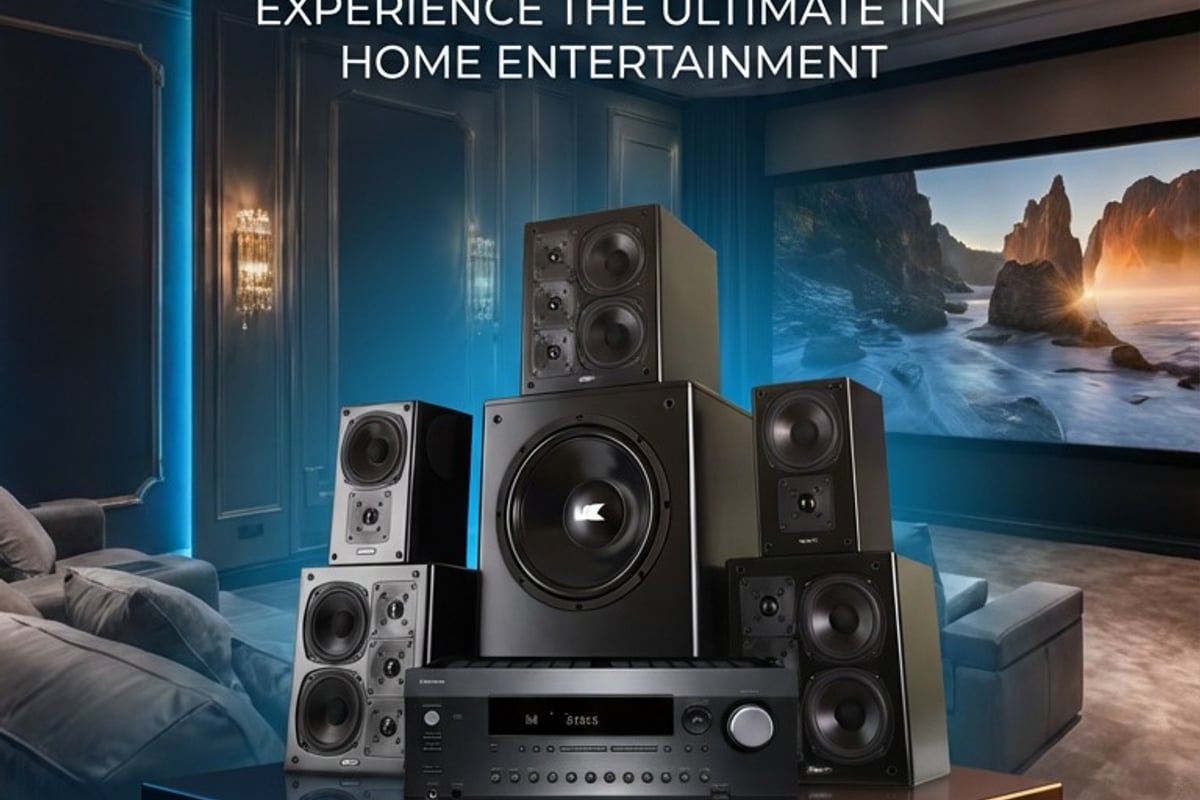
When working with custom installations, specialized cinema speakers like those from M&K cinema speakers deliver reference-quality audio optimized for home theater applications. These speakers are engineered specifically for cinema reproduction, ensuring dialogue clarity and dynamic range that matches professional cinema environments.
Optimizing Wireless Performance and Range
Despite advances in wireless technology, certain environmental factors impact wireless surround system reliability. Understanding these challenges helps you design a more robust installation that delivers consistent performance.
Physical obstacles between transmitters and receivers degrade signal strength. Thick walls, metal ducting, and large appliances all attenuate radio frequency and Wi-Fi signals. Positioning speakers with minimal obstructions ensures stable connections.
Minimizing Interference
Modern homes contain numerous wireless devices competing for radio spectrum. Your wireless surround system must coexist with Wi-Fi routers, smartphones, smart home devices, and neighboring network signals.
- Select systems operating on less congested frequency bands (5GHz Wi-Fi or proprietary RF frequencies)
- Position the main receiver away from other wireless equipment when possible
- Update firmware regularly as manufacturers optimize wireless performance through software improvements
- Consider mesh Wi-Fi systems that provide stronger coverage throughout your home
Range limitations vary by technology and manufacturer. Most dedicated wireless surround systems function reliably within 30-50 feet of the transmitter in typical residential construction. Larger spaces or complex layouts may require alternative approaches.
Comparing Wireless Surround System Options
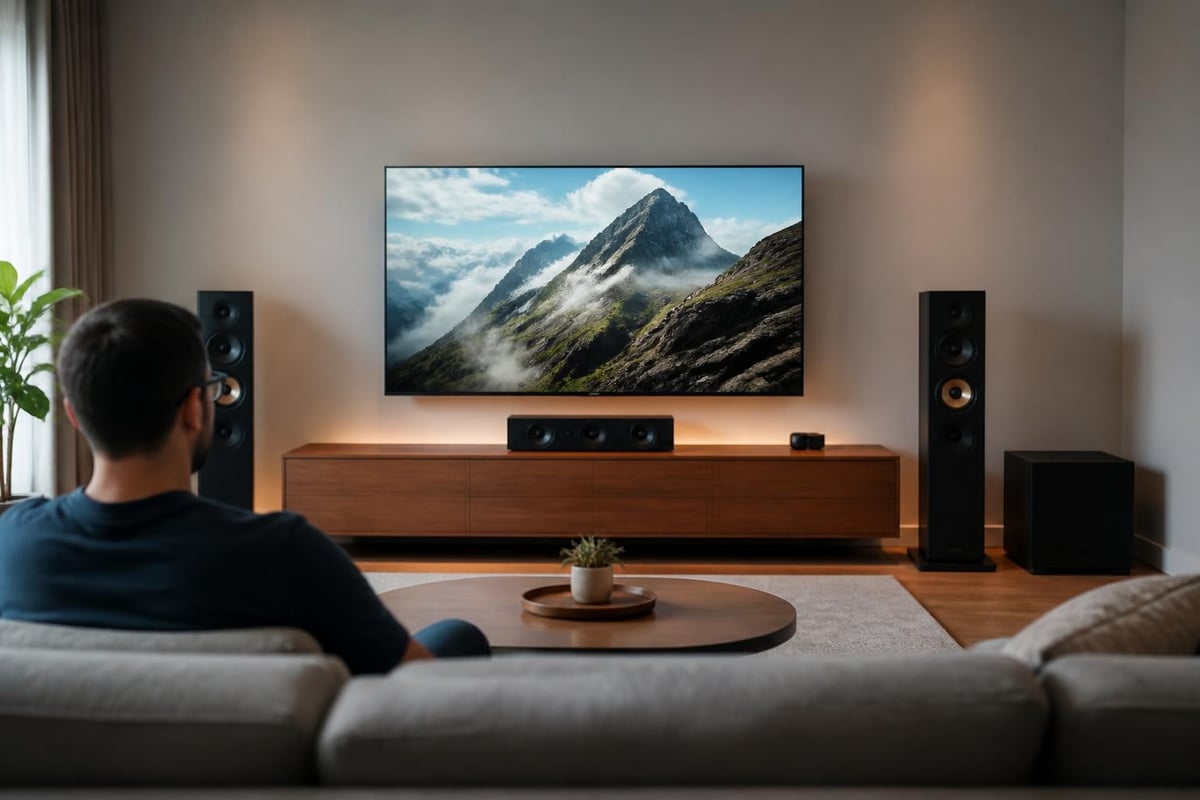
The market offers wireless surround solutions spanning a wide price and performance spectrum. Understanding the trade-offs helps you select appropriate equipment for your specific needs and budget.
Budget-friendly options typically bundle a soundbar with wireless subwoofer and optional satellite speakers. These systems prioritize ease of installation and acceptable performance for casual viewing. Best wireless surround sound systems reviews from Popular Science highlight options across various price points with detailed performance assessments.
Premium Versus Entry-Level Systems
| Feature | Entry-Level Systems | Premium Systems |
|---|---|---|
| Price Range | $300-$800 | $1,500-$5,000+ |
| Audio Quality | Enhanced stereo to basic 5.1 | Reference-quality discrete channels |
| Wireless Technology | Bluetooth or basic Wi-Fi | Proprietary RF with low latency |
| Expandability | Limited or none | Multi-room and additional speakers |
| Calibration | Manual or basic auto-setup | Advanced room correction (Dirac, Audyssey) |
High-end wireless surround system configurations deliver performance approaching traditional wired setups. These systems employ higher-quality speaker components, more sophisticated digital signal processing, and robust wireless transmission protocols that maintain audio fidelity.
Integrated Ecosystem Approaches
Several manufacturers offer comprehensive smart home audio platforms that include wireless surround capabilities. These ecosystems provide seamless integration across multiple rooms while maintaining the option for dedicated home theater configurations.
The WiiM Sound represents the growing category of wireless smart speakers that balance multi-room audio with home theater functionality. Such versatility appeals to users who want a single platform for both casual listening and cinematic experiences.
Advanced Features in Modern Wireless Surround Systems
Contemporary wireless surround system technology incorporates sophisticated features that enhance both performance and usability. Understanding these capabilities helps you identify which innovations deliver genuine value versus marketing hype.
Automatic room calibration systems use microphones to measure acoustic characteristics and optimize speaker output accordingly. These technologies compensate for room anomalies that would otherwise require extensive manual adjustment or acoustic treatment.
Immersive Audio Formats
Dolby Atmos and DTS:X represent the cutting edge of home cinema audio, adding height channels that create three-dimensional soundscapes. Wireless surround systems increasingly support these formats through various implementation strategies.
Traditional Atmos installations require ceiling-mounted speakers, but wireless systems often employ upward-firing drivers that reflect sound off ceilings. While purists debate the effectiveness compared to discrete ceiling speakers, these configurations deliver noticeably more immersive experiences than conventional 5.1 setups.
Sony's innovative approach with the Bravia Theatre Trio demonstrates how manufacturers continue pushing boundaries in wireless surround sound delivery and spatial audio reproduction.
Integration with Streaming Platforms
The explosion of streaming content has transformed how we consume entertainment, and wireless surround system manufacturers have responded by optimizing their products for these platforms. Netflix, Disney+, and Apple TV+ deliver Dolby Atmos soundtracks that showcase the capabilities of advanced audio systems.
Direct streaming integration eliminates the need for external media players in some configurations. Certain wireless systems include built-in apps and network connectivity that allow direct access to streaming services without passing audio through a television or separate streaming device.
Voice Control and Smart Home Integration
Modern wireless surround systems frequently incorporate voice assistants like Amazon Alexa, Google Assistant, or Apple Siri. This integration enables hands-free control of volume, source selection, and playback functions.
Beyond basic voice commands, smart home integration allows your wireless surround system to interact with other devices. Automated scenes might dim lights and activate your audio system when you start a movie, creating a cohesive home cinema environment.
Setting up platforms like Roku surround sound systems often includes these smart features, providing straightforward configuration options for users who want integrated entertainment control.
Maintenance and Troubleshooting
Wireless surround systems require minimal physical maintenance but benefit from regular software updates and occasional recalibration. Manufacturers release firmware updates that improve wireless stability, add features, and resolve compatibility issues with new content formats.
Common wireless performance issues often stem from interference or network congestion. If you experience dropouts or connection instability, systematically eliminate potential causes:
- Verify all speakers have adequate power connections
- Check for new wireless devices or changes to nearby networks
- Confirm router firmware is current if using Wi-Fi-based systems
- Reposition speakers slightly to avoid potential dead zones
- Run automatic calibration again after any speaker position changes
Battery-powered wireless speakers require periodic recharging. While this adds a maintenance task, the positioning freedom these units provide often justifies the minor inconvenience for surround channels that play intermittently during typical content.
Evaluating Your Space for Wireless Surround Sound
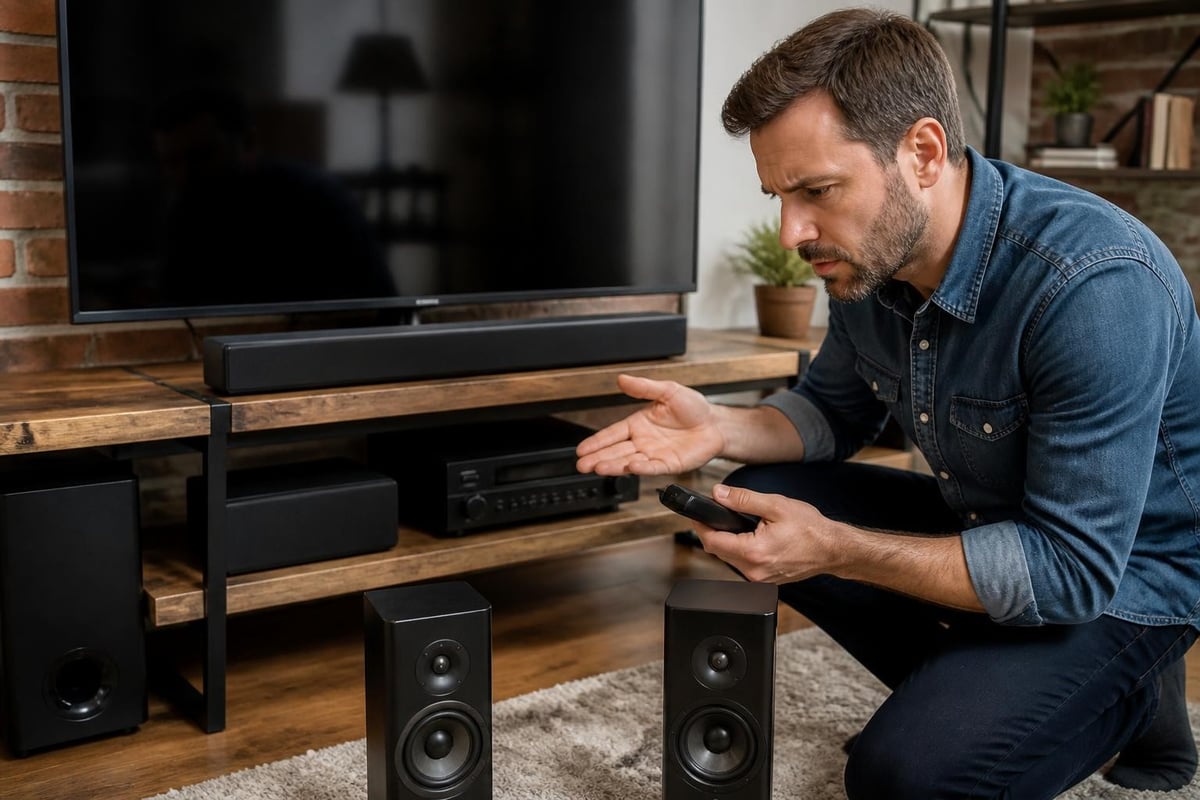
Not every room benefits equally from a wireless surround system installation. Careful evaluation of your space helps determine whether wireless technology suits your specific situation or if alternative approaches might serve you better.
Room size and shape significantly impact both acoustic performance and wireless system suitability. Open-concept living spaces present challenges for achieving focused surround effects, while dedicated rooms with defined boundaries create more controlled acoustic environments.
When Wireless Makes Sense
Wireless surround systems excel in several scenarios:
- Existing rooms where running cables would require significant renovation
- Rental properties where permanent installations aren't permitted
- Spaces with concrete floors or other challenging construction
- Rooms where aesthetic considerations prioritize clean, minimalist appearance
- Installations where future flexibility and speaker repositioning is valuable
Conversely, new construction or major renovations present opportunities to install in-wall cabling that enables purely wired systems. While wireless technology has advanced tremendously, wired connections still offer theoretical performance advantages and eliminate any potential for wireless interference or dropout.
Future Developments in Wireless Audio
The trajectory of wireless surround system technology points toward even greater integration, higher performance, and more sophisticated spatial audio processing. Emerging standards like Wi-Fi 6E and 7 provide additional bandwidth and reduced latency that will benefit next-generation wireless audio products.
Beamforming technology represents one exciting development area. Advanced signal processing allows speakers to direct sound precisely toward listening positions, creating more focused surround effects even in acoustically challenging rooms. Some manufacturers already implement basic versions of this technology, but future iterations promise significantly enhanced capabilities.
Industry collaboration on standardized wireless audio protocols could improve interoperability between brands, allowing consumers to mix and match components more freely. Currently, most wireless surround systems require all components from a single manufacturer to ensure compatibility.
The comprehensive best surround sound systems guide from What Hi-Fi? demonstrates the breadth of options available today, while also hinting at emerging technologies that will shape tomorrow's home cinema experiences.
Budgeting for Your Wireless Surround Investment
Establishing a realistic budget requires understanding not just equipment costs but also potential accessories and installation considerations. While wireless systems eliminate expensive in-wall cable installation, they introduce other expense factors.
Quality wireless surround systems start around $500 for basic soundbar packages and extend beyond $5,000 for reference-quality component systems. Your budget should align with room size, performance expectations, and how critically you evaluate audio quality.
Additional costs to consider include:
- Power management solutions for speakers positioned far from existing outlets
- Furniture or stands specifically designed for optimal speaker placement
- Acoustic treatments like panels or bass traps that optimize room performance
- Universal remote controls that integrate all components into simplified operation
- Professional calibration services that extract maximum performance from your investment
Compact options like the PSB iQ2 demonstrate that wireless audio quality doesn't always require massive speakers or extreme budgets, though performance scales appropriately with investment.
Maximizing Your Wireless Surround Experience
After installing your wireless surround system, several practices help ensure you're extracting its full potential. Regular listening to reference material allows you to understand your system's capabilities and identify areas for improvement.
Content matters significantly. Streaming services offer varying audio quality levels, and selecting the highest quality tier ensures you're hearing what your system can truly deliver. Enable Dolby Atmos or DTS:X options in streaming apps when available, as this content is specifically mastered to showcase spatial audio capabilities.
Experiment with different audio modes your wireless surround system provides. Movie modes typically enhance surround effects and dialog clarity, while music modes might create a different soundstage more appropriate for stereo content. Understanding when to employ each mode enhances enjoyment across diverse content types.
Don't neglect the subwoofer in your wireless configuration. Proper subwoofer integration requires attention to level matching, crossover frequency, and phase alignment. Many systems provide dedicated subwoofer setup routines within their calibration menus, and investing time in this process yields substantial improvements in overall system coherence.
A wireless surround system delivers the immersive audio experience that makes home cinema truly captivating while eliminating the installation complexity that has historically limited surround sound adoption. By understanding the technology, planning carefully, and selecting appropriate components for your space, you create an entertainment environment that rivals commercial cinemas. Whether you're considering a complete home cinema room conversion or upgrading your existing setup, ANR media brings decades of specialized experience in designing and installing custom audio solutions that perfectly match your space, preferences, and performance expectations.